
The Latest Dispatches From the Fashion Frontier
Welcome to Issue: your curated runway into the newest, sharpest, and most thoughtful pieces from fmmé. This isn’t a checklist of trends or a highlight reel. It’s where we publish our definitive features, essays, interviews, and explorations that push past surface‑level style and into ideas worth lingering on.
Each issue is a chance to slow down in a world that scrolls fast, to think deeply about the forces shaping fashion and culture and to discover perspectives you didn’t know you were missing. Whether it’s dissecting runway movements, spotlighting unheard voices, or unpacking fashion’s cultural intersections, Issue is where fmmé’s voice truly speaks.
Start here. Read widely. Stay curious.
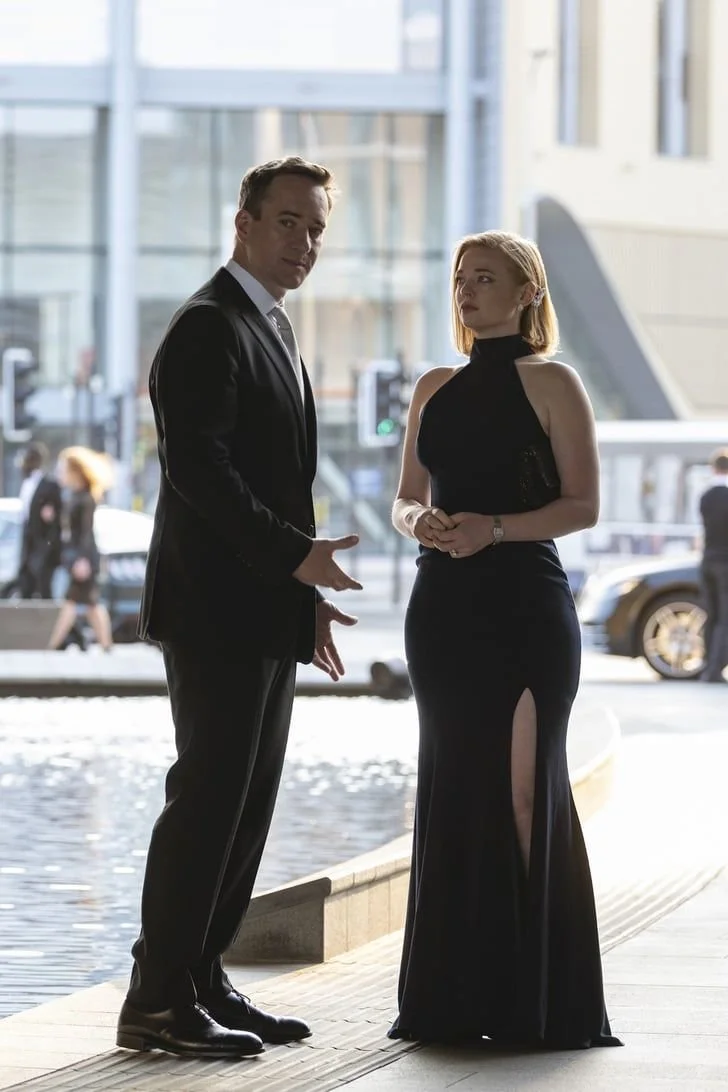
The Most Influential TV Fashion Moments of the 21st Century
Once upon a time, fashion’s most significant cultural moments came from glossy magazines and runway shows in Paris, Milan, and New York. Today, television holds equal power. In the streaming era, every outfit on screen can be paused, screenshot, dissected, and shared instantly across social media. Shows like Gossip Girl, Killing Eve, Emily in Paris, and Insecure don’t just reflect what’s in style; they create trends, sometimes faster and more decisively than any fashion week presentation.
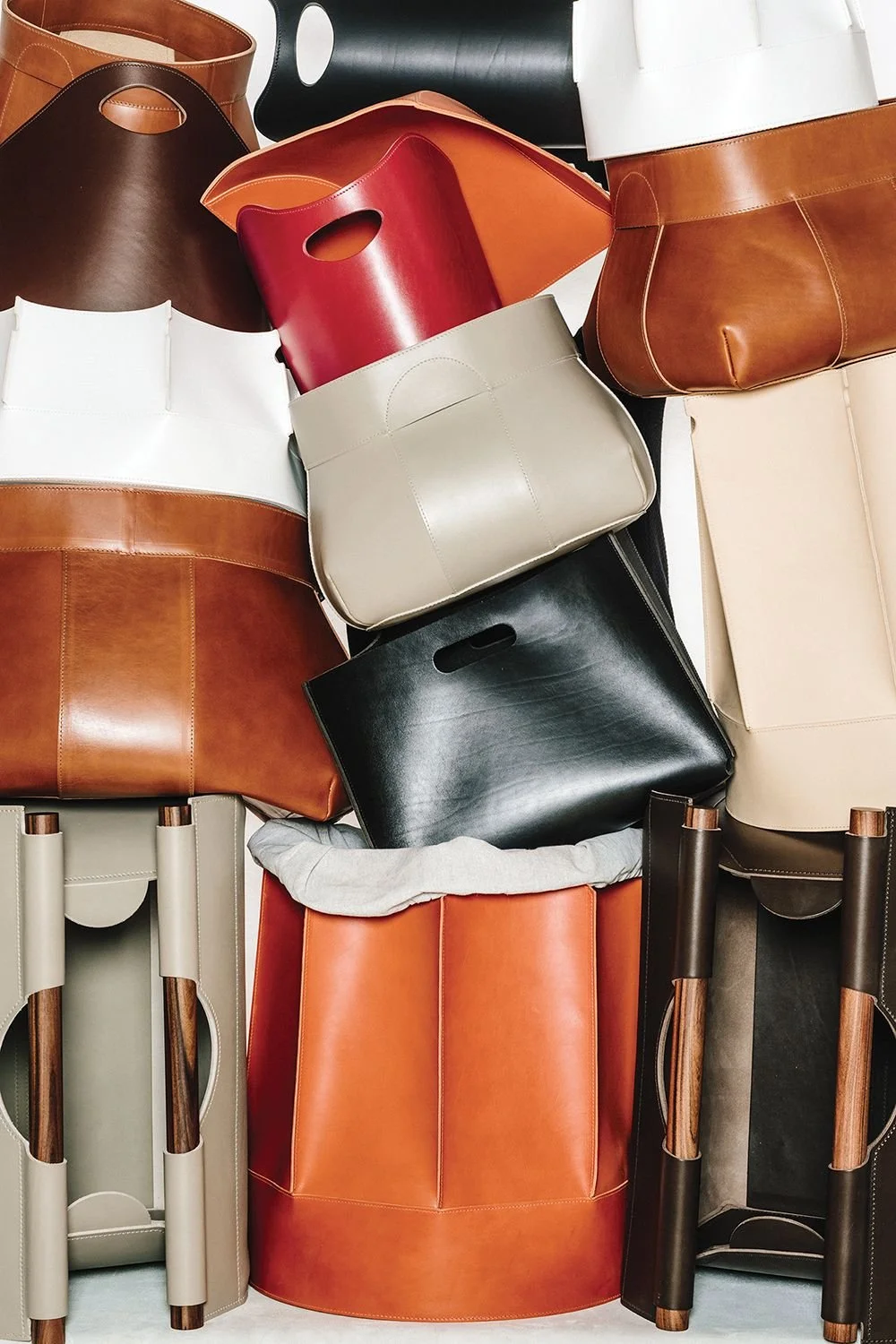
Why Micro Bags Are Out and The Oversized Is In
At Copenhagen Fashion Week this August, editors and street photographers noticed something impossible to ignore: bags are getting bigger. On the runways, Ferragamo and Louis Vuitton sent out models with large clutches that demanded a two-hand hold, while in the front row, guests tucked oversized suede pouches beneath sharply tailored coats. The message was clear after years of pretending we could fit our lives into Jacquemus micro-minis; fashion has swung hard in the opposite direction. The oversized clutch has emerged as a trend and a cultural correction. It is practical, sculptural, and designed for a world that craves both beauty and function in equal measure.
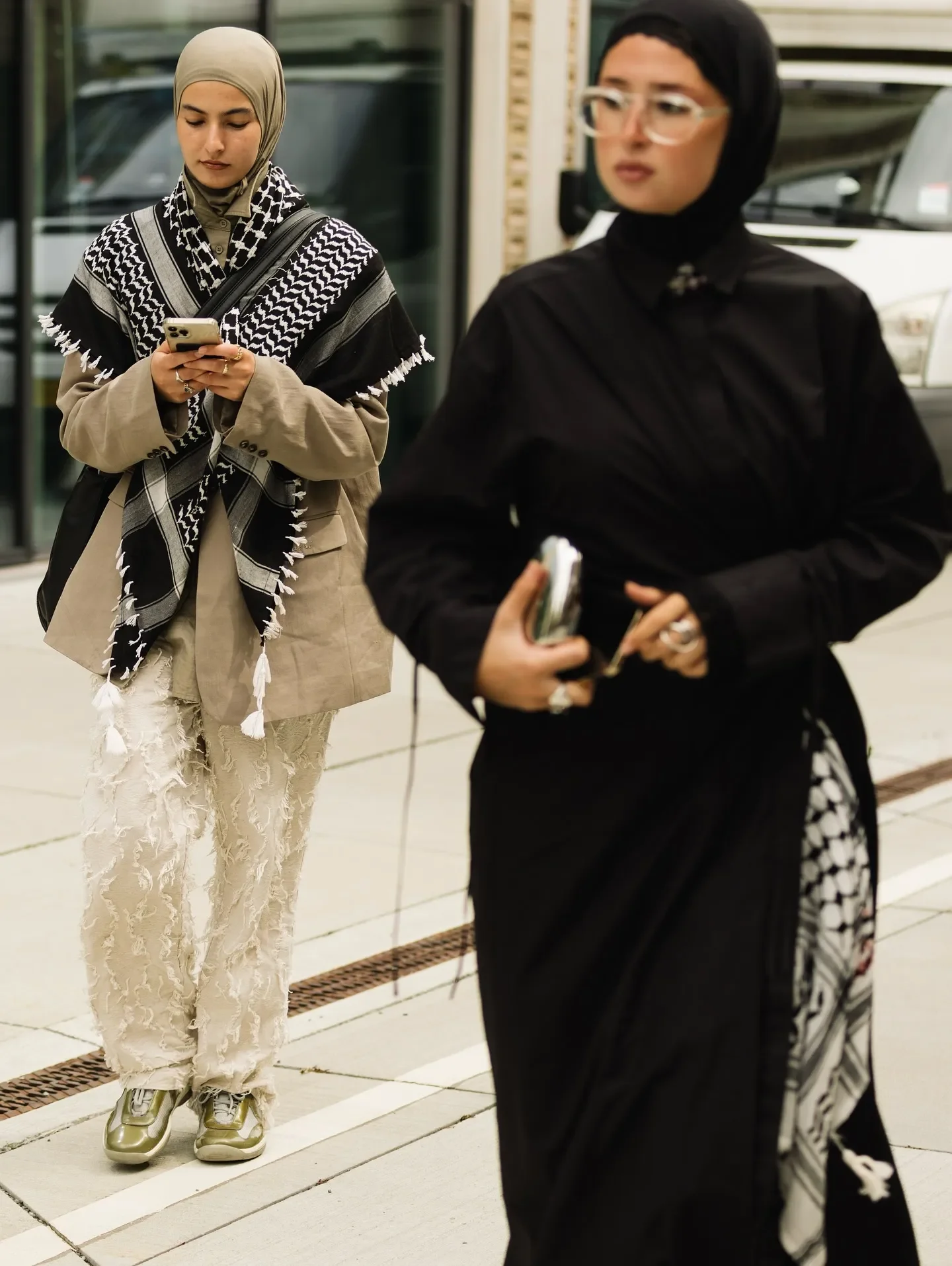
The Keffiyeh’s Journey from Heritage to Runway
Flashbulbs erupt in Cannes as Bella Hadid appears in a flowing archival dress stitched from keffiyeh fabric. A few weeks later, at Copenhagen Fashion Week, a student in sneakers loosely ties the same patterned scarf around their neck: two very different stages, one shared garment. The keffiyeh has moved far beyond its origins as protective headwear. It is a symbol, a statement, and a provocation, depending on who you ask. So how did a square of fabric woven with fishnet grids and olive-leaf motifs become one of the most charged fashion items in 2025? And what does wearing it mean in the era of Instagram street style and political solidarity?
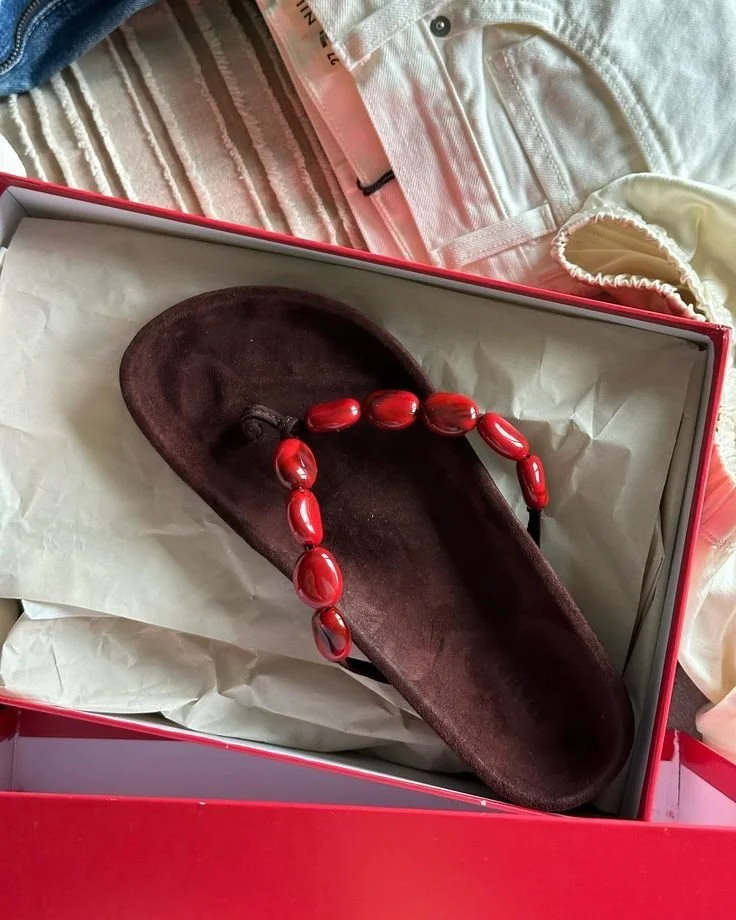
Flip-Flops: More Than Summer Shoes
The pavement is almost too hot to touch. Somewhere between a café table and a boutique window, a woman’s Havaianas flip-flops slap softly against her heels, the rhythm only interrupted when she pauses to check her phone. Across the street, a model in leather slides exits a runway rehearsal, looking effortlessly polished. Meanwhile, a vendor stacks towers of plastic thongs like candy on a quiet beach in Rio. Humble, inexpensive, and sometimes controversial, flip-flops carry stories that extend far beyond sand and sea. They reveal more about taste, class, politics, and environmental issues than you might expect, and by 2025, they are just as likely to be seen on the runway as they are at the corner shop.
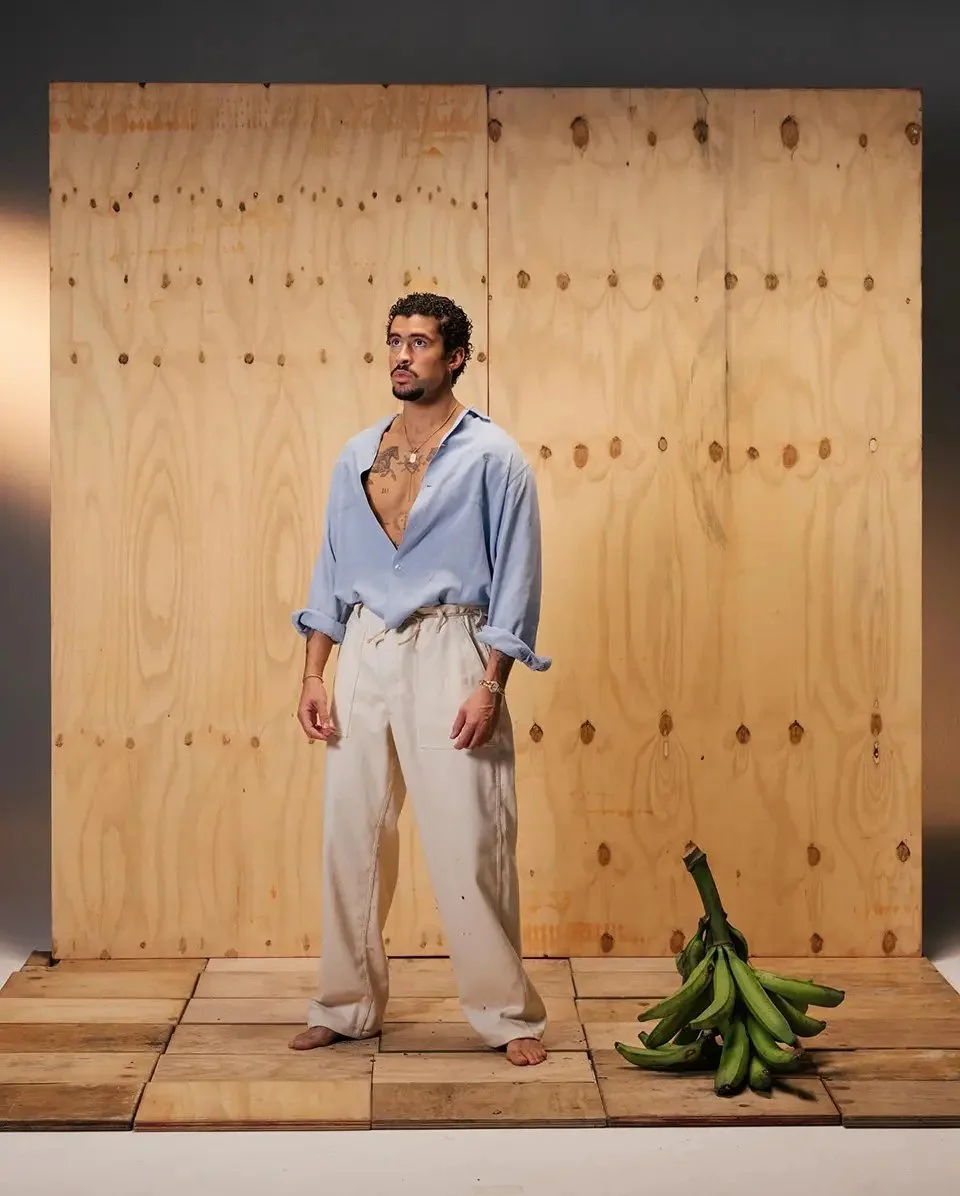
Bad Bunny’s Gender-Fluid Looks: Trend or Timeless?
Bad Bunny isn’t the first global music star to wear a skirt. He isn’t the only man to walk in pearls or paint his nails in glossy pinks. But when a Puerto Rican reggaetón icon, built from the sounds of perreo and steeped in the bravado of Latinx masculinity, steps into traditionally “feminine” clothing, it doesn’t just make a fashion statement. It cracks something open.