
How Belgian Fashion Magazines Quietly Became the Country’s Most Stylish Landmarks
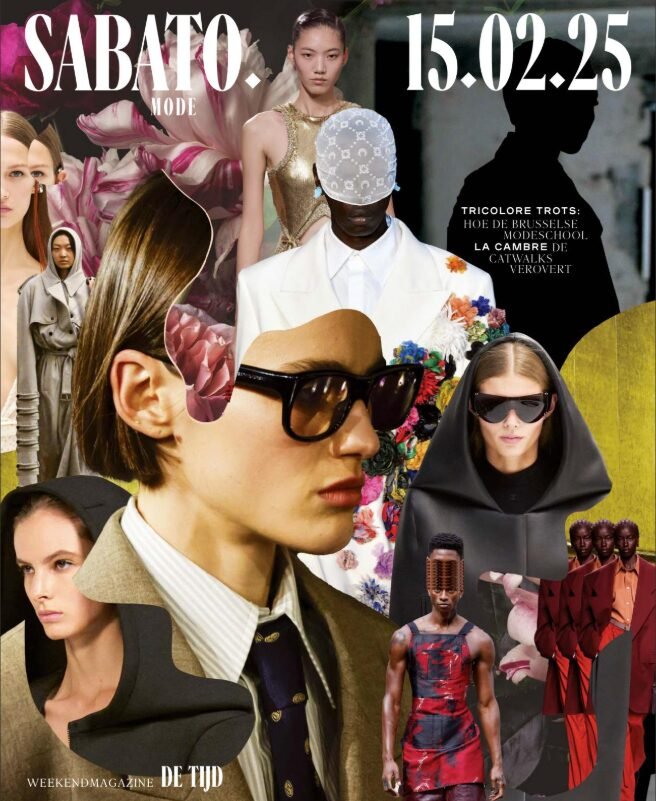
Cover of Sabato Mode
Belgian fashion magazines have that unmistakable gloss: thick, tactile covers, seasonal issues you actually want to display on your coffee table. But open one up, and you’re pulled into something. These aren’t just magazines, they’re self-contained worlds, each with its own personality, its own way of seeing. The style and identity inside linger with you, long after you’ve closed the cover.
Across Europe, print is slowing down. The constant scroll of updates is giving way to something more thoughtful, more lasting. In Belgium, that shift feels almost instinctive. Fashion here has always been about ideas and experimentation, not just following the crowd. Flip through a Belgian magazine and you can sense the creative pulse of Antwerp and Brussels in every page each image and story carefully chosen, deeply considered, and unmistakably Belgian.
Instead of scrambling to keep up with digital, Belgian print magazines move at their own rhythm. Each issue feels more like an art object than a news feed slower, more intentional, and built to last.
Belgium Functions Less as A Volume-Driven Fashion Market and More As a Subtle Yet Highly Influential Editorial Laboratory
Belgium doesn’t flood the world with fashion magazines, but the ones it does make leave a mark. Rather than chasing trends, these publications shape how we see and understand fashion itself.
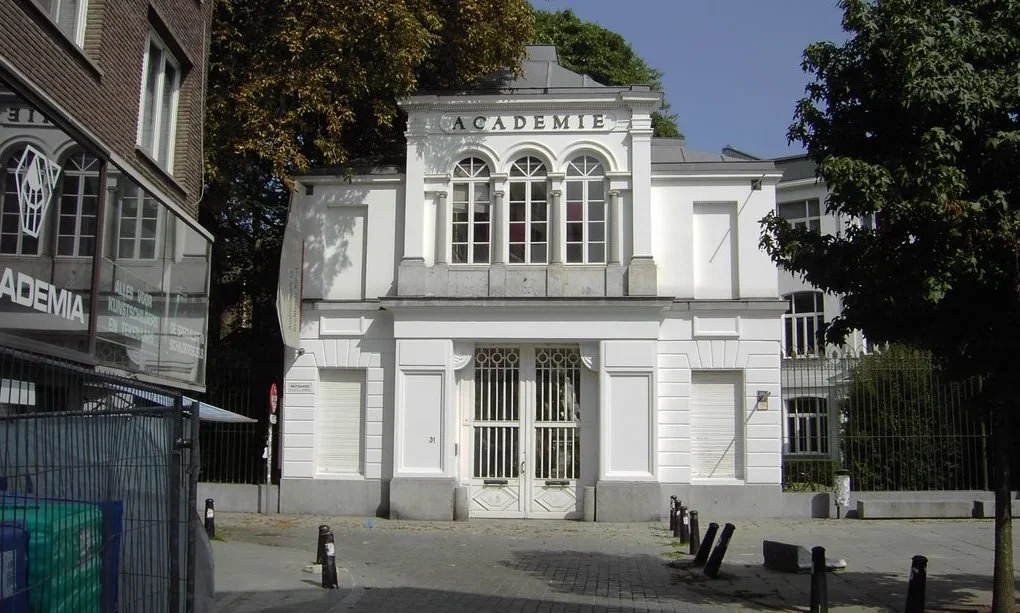
Antwerp is still the beating heart of it all. The city’s creative spirit, shaped by the legacy of the Antwerp Six and the Royal Academy, turns fashion into a kind of experiment. That same energy spills into publishing, where magazines become playgrounds for new ideas—not just places to show off clothes.
Here, Belgian fashion magazines feel less like products and more like creative labs. Photographers, stylists, writers, and designers come together to build entire editorial universes often in small, carefully crafted print runs. Exclusivity here isn’t just about luxury; it’s about making space for real experimentation and storytelling.
A Magazine Curated By Redefines the Very Structure of the Fashion Magazine by Transforming Each Issue Into a Curated Exhibition in Printed Form
A Magazine Curated By is one of Belgium’s most internationally influential fashion publications. Instead of sticking to a single editorial voice, each issue is handed over to a different designer, turning the magazine into a kind of portable exhibition space. It’s a total flip of the usual magazine formula. Instead of editors calling the shots, designers often from the avant-garde edge of European fashion get to build an issue that feels like a direct extension of their own creative world.
This approach flips the script. Print becomes a curatorial space, not just a journalistic one. Each issue is an artifact, capturing not just trends but the way a designer thinks, how they build meaning, and how fashion can tell a story that goes beyond the usual seasonal cycle. In the bigger European picture, Belgium is leading the way, redefining the magazine as a series of authored objects, not just a recurring publication.
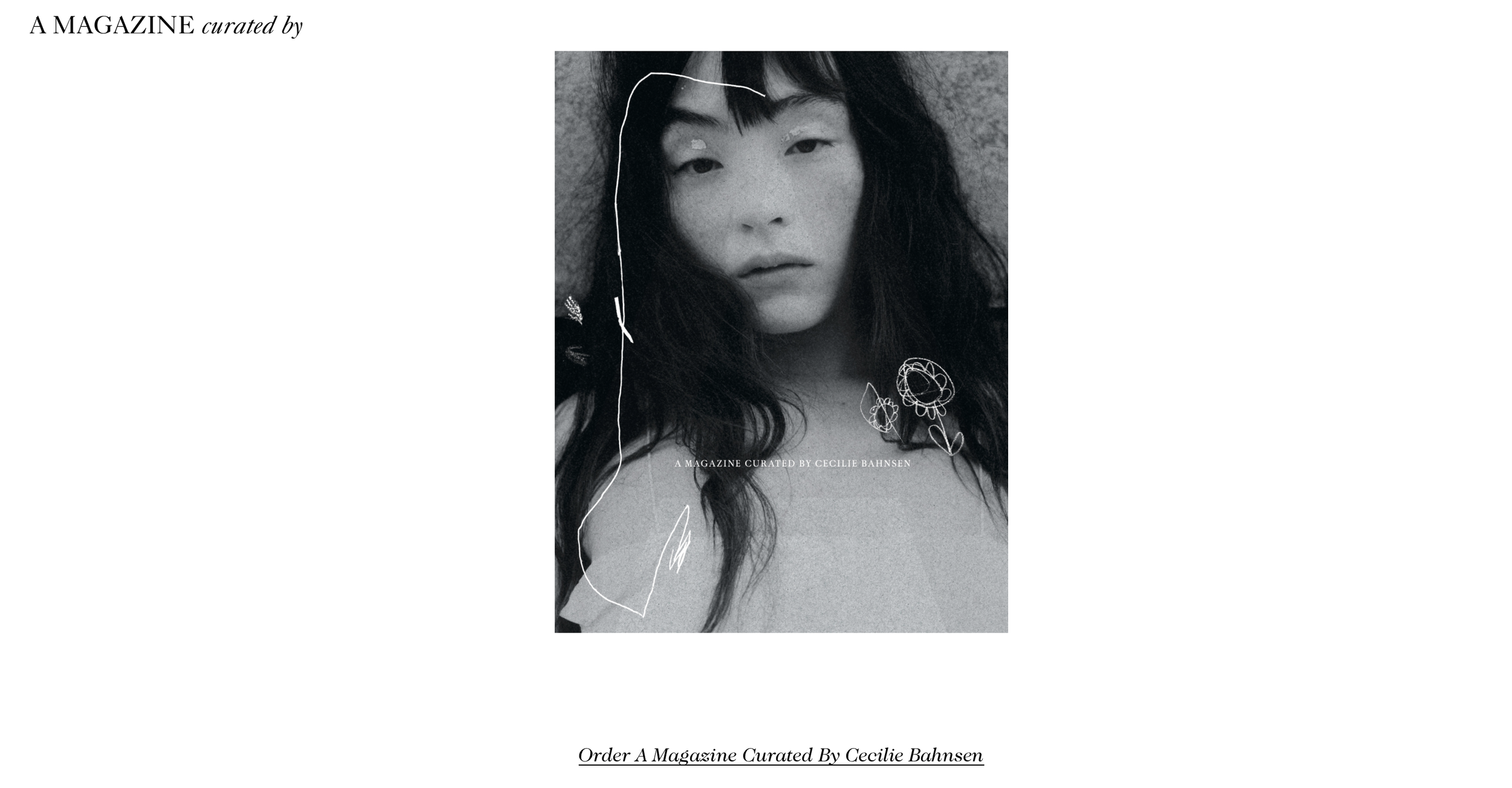
Clipping of A Magazine Curated By website
Knack Weekend Sabato and Elle Belgique as Lived Systems of Cultural Fashion Interpretation
Belgium’s fashion magazines don’t just exist side by side they’re part of a close-knit cultural conversation, each one adding its own perspective to how fashion is lived and understood. At the heart of this is Knack Weekend and its luxury supplement, Sabato. These titles never treat fashion as something separate or superficial. Instead, they weave it into bigger stories about architecture, interiors, food, travel, and the objects that shape daily life. Open a recent issue and you might find a fashion shoot sharing space with an in-depth look at a Belgian architect’s latest project, or a thoughtful essay on how we experience luxury at home. The effect is less about showing off and more about connecting the dots between style and the way we live. Behind the scenes, the editorial team works collaboratively, with roles that shift and evolve from season to season. There’s no single star at the top just a shared commitment to visual clarity and thoughtful curation, which turns each issue into something more like a cultural journal than a typical lifestyle magazine.
Elle Belgique plays a different role in the mix. Think of it as a translator, taking the drama and spectacle of international runways and filtering it through a Belgian lens. The result? Fashion that feels wearable, subtle, and quietly elegant never over the top. The editorial team follows the classic Elle structure, but what sets the Belgian edition apart is how it makes global trends feel right at home. Here, fashion isn’t some distant fantasy. It’s something you can actually imagine wearing to work, to dinner, or on a rainy Brussels afternoon. The styling is grounded, the looks are practical, and the overall vibe is always refined but never showy.
Three Dominant Editorial Approaches Emerge: One Rooted in Curated Luxury Storytelling, Another in Accessible Lifestyle Translation, and a Third in Intellectual and Conceptual Reflection
Feeling brings a different energy to the table. It’s one of Belgium’s longest-running fashion and lifestyle magazines, and its secret is a blend of fashion, wellness, and personal storytelling. The editorial team, led by an editor-in-chief and a group of section editors, puts emotional realism at the center of everything. Here, fashion isn’t some exclusive club it’s personal, shaped by real lives and changing identities. That’s why Feeling still resonates, even as the media landscape shifts. The magazine always meets readers where they are, making style feel accessible and relevant to everyday life.
Marie Claire Belgique takes a more thoughtful, story-driven approach. Alongside fashion editorials, you’ll find long reads on identity, femininity, and how society is changing. The magazine follows the global Marie Claire structure but has plenty of freedom to set its own agenda. Often, it treats fashion as a language one that helps unpack bigger questions about gender, creativity, and the world we live in. In these pages, clothes aren’t just about looks; they’re a way to explore what’s really happening in culture right now.
L’Officiel Belgique sits at the experimental edge of Belgian fashion publishing. It blends its Parisian haute couture roots with a distinctly Belgian eye for clean lines and conceptual visuals. The editorial team is international, with creative decisions shared across borders, which keeps the magazine’s perspective fresh and unexpected. Each issue feels like a gallery fashion photography here is more than just documentation; it’s about building entire worlds with mood, structure, and atmosphere. L’Officiel Belgique has become a reference point for both high-concept visuals and accessible luxury, shaping not just how fashion looks on the page, but how it’s styled, photographed, and talked about across the industry. Together with its peers, it helps define what Belgian fashion means right now.
Podcasts and Digital Extensions have Expanded the Editorial Voice of Fashion Magazines Beyond the Boundaries of Print
Print is still at the center, but Belgian fashion media is branching out. Think podcasts and online series that add new layers to what’s on the page.
These podcasts bring editors, designers, photographers, and critics together to talk through the ideas behind the work. It’s a more direct, informal way for audiences to connect with editorial thinking. Ideas get tossed around in conversation, shaped online, and eventually land in print.
The ELLE Podcast feels like a natural extension of ELLE Belgique’s world. It takes the magazine’s signature mix of fashion, beauty, lifestyle, and identity and brings it to life in audio. Instead of flipping through glossy pages, you’re listening in on conversations and reflections that give the stories a new kind of intimacy. Each episode isn’t just a standalone; the podcast follows recurring themes that echo what you’d find in print, letting those narratives breathe and evolve in a more personal, immediate way.
Listen to a few episodes and you’ll notice certain themes keep coming back, each one revealing a different side of the magazine’s personality.
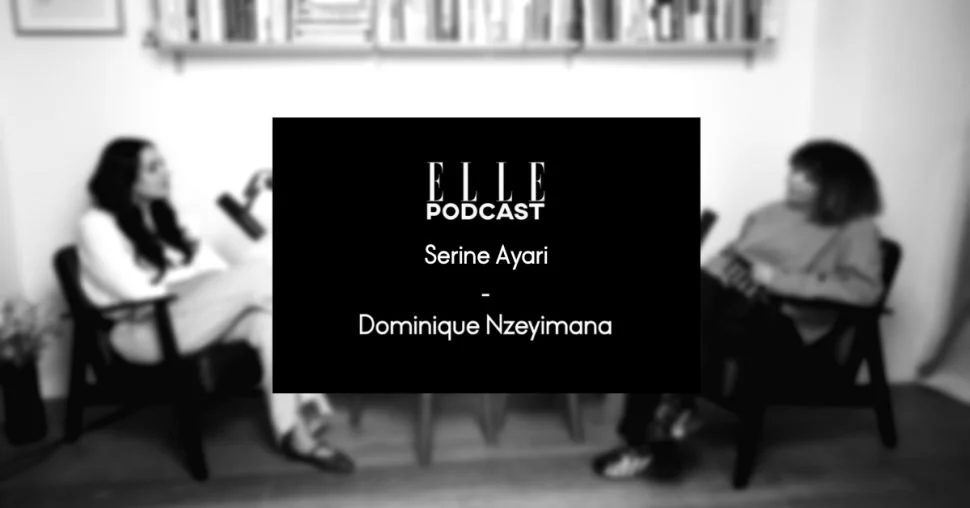
ELLE Podcast
One thread that runs through the ELLE Podcast: fashion isn’t just something to watch from the sidelines. Instead of dissecting runway looks, the conversations dig into how personal style actually fits into daily life how it’s shaped by work, routines, and the world around us. Fashion here is less about trends and more about the choices we make every morning, the feelings tied to a favorite piece, and the stories our clothes tell. It’s a way of connecting the magazine’s visual world to the way people really live.
This theme reinforces the magazine’s print philosophy but expands it by introducing voice-based reflection, where guests and editors can articulate not only what is fashionable, but why style choices matter in the context of identity formation.
All of these themes show that the ELLE Podcast isn’t just another media projectn it’s a way for the magazine’s ideas to keep moving and growing. Print sets the scene, digital brings the stories to more people, and the podcast adds a layer of voice and closeness you can’t get on the page. It’s a living, breathing system where stories move between images, words, and conversations, keeping ELLE at the center of how we talk about style and culture today.
The Future of Fashion Print no Longer Lies in Its Bbility to Compete with Digital Immediacy
The future of Belgian fashion print is being shaped by three big shifts, each one changing what magazines mean in today’s media world. First, there’s a clear move toward fewer issues, but each one is packed with more ideas, more depth, and more attention to detail.
Second, magazines are expanding into podcasts, exhibitions, and digital stories, creating a layered media world with print at the center. Third, magazines are becoming collectible objects more than just something to flip through and toss. They’re turning into long-term archives of visual and cultural ideas.
In all this, Belgian fashion magazines aren’t just keeping up; they’re setting the pace. Depth matters more than speed, authorship more than repetition, and memory more than the moment.