
The Met Gala: Inside the Most Engineered Night in Fashion
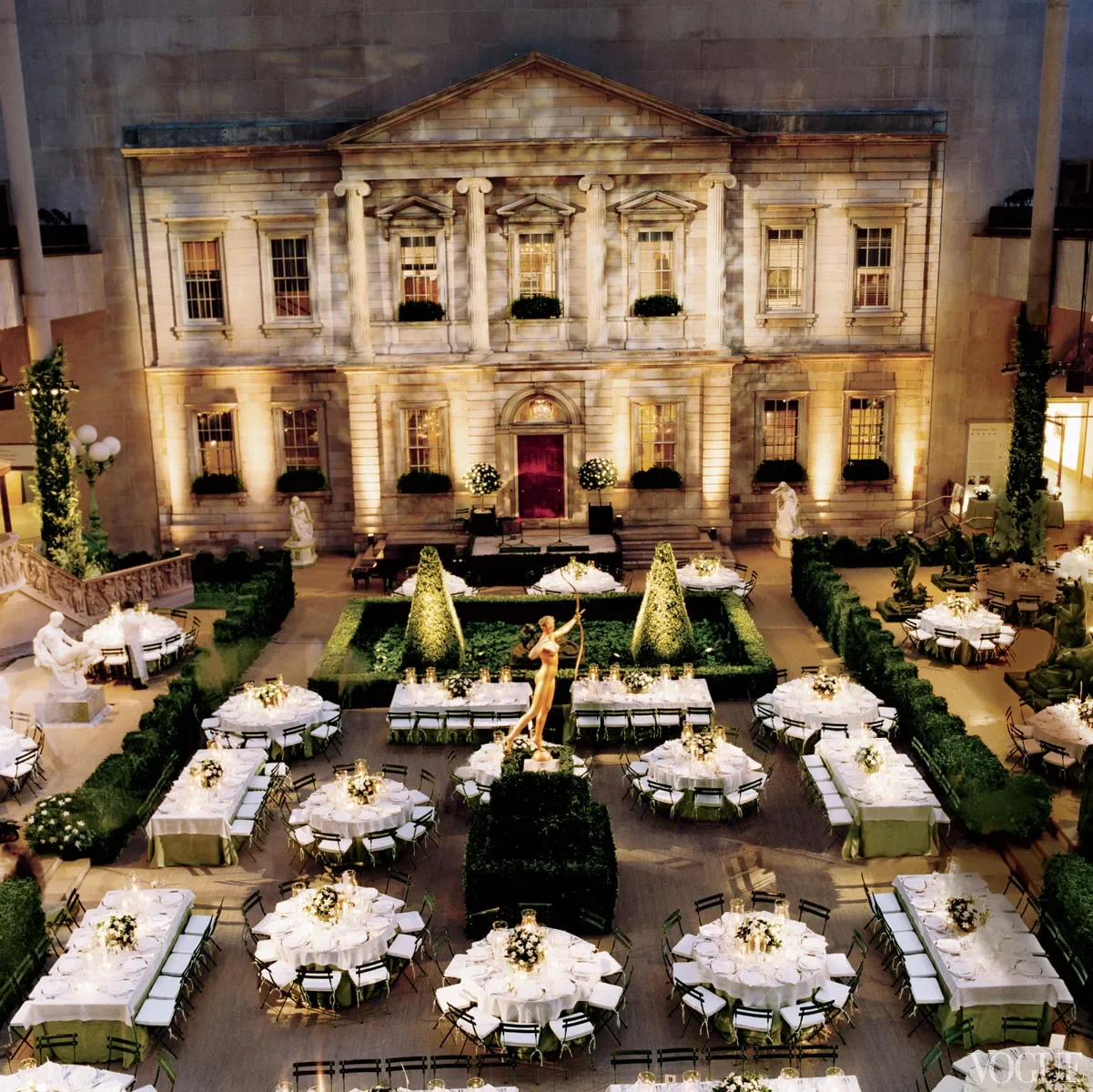
Kendall Jenner, Bad Bunny and guests at the Après Met 2 Met Gala After Party hosted by Carlos Nazario, Emily Ratajkowski, Francesco Risso, Paloma Elsesser, Raul Lopez and Renell Medra on May 6, 2024. Courtesy of Deadline
The Met Gala is fashion’s most exclusive night, but there’s more happening beneath the surface than just sparkle. Every first Monday in May, the Met’s steps become a portal, ushering guests into a world where style, power, and possibility mingle. What began in 1948 as a straightforward fundraiser - founded by fashion publicist Eleanor Lambert - has become a layered ritual, all under Anna Wintour’s watchful eye. The world tunes in for the red carpet, dazzled by the spectacle. Today, it raises tens of millions of dollars annually, making it the Costume Institute’s primary source of funding while simultaneously acting as fashion’s most visible stage. But the real action starts once the cameras stop rolling. That’s when the table assignments come into play, quietly setting the tone for everything that follows.
On the surface, the Met Gala is all about the year’s theme, pulled from the Costume Institute’s latest show. Designers and guests turn curatorial ideas into couture, making the red carpet a living, breathing mood board. But once inside, the energy changes. The exhibition opens just for them, guests wander the galleries, and then everyone settles in for dinner.
A Guest List Closely Guarded, It Might as Well Be Locked Away
Unlike most galas, where seating is about status or convenience, the Met Gala’s chart is a masterclass in matchmaking. Anna Wintour and her team spend months plotting who sits where, working with producers and brands to get it just right. The goal? To spark conversations that wouldn’t happen anywhere else. A Hollywood star might end up next to a breakout designer, a pop icon across from a museum patron, or a digital creator beside a fashion editor. These pairings are intentional, designed to create connections that last long after the night ends.
It’s all part of the Met Gala’s bigger purpose: building influence. The guest list is already a who’s who of culture, but the seating chart turns that list into a living network. By deciding who sits shoulder to shoulder, the organizers set the stage for new collaborations and friendships. Brands are part of the equation, too. Fashion houses buy tables and fill them with celebrities dressed in their latest looks. But even then, the final seating plan is coordinated from the top, making sure no single brand takes over the room. It’s a balancing act, giving designers their moment while keeping the night’s bigger story intact. That push-and-pull between brand ambition and curatorial vision is what makes the Met Gala tick.
The seating chart is famously secret. While the red carpet is everywhere, who sits where inside is kept under wraps. That mystery only adds to the allure and lets guests relax, away from the world’s eyes. Without the pressure of being watched, real conversations can happen. It’s part of what makes the Met Gala feel both intimate and electric.
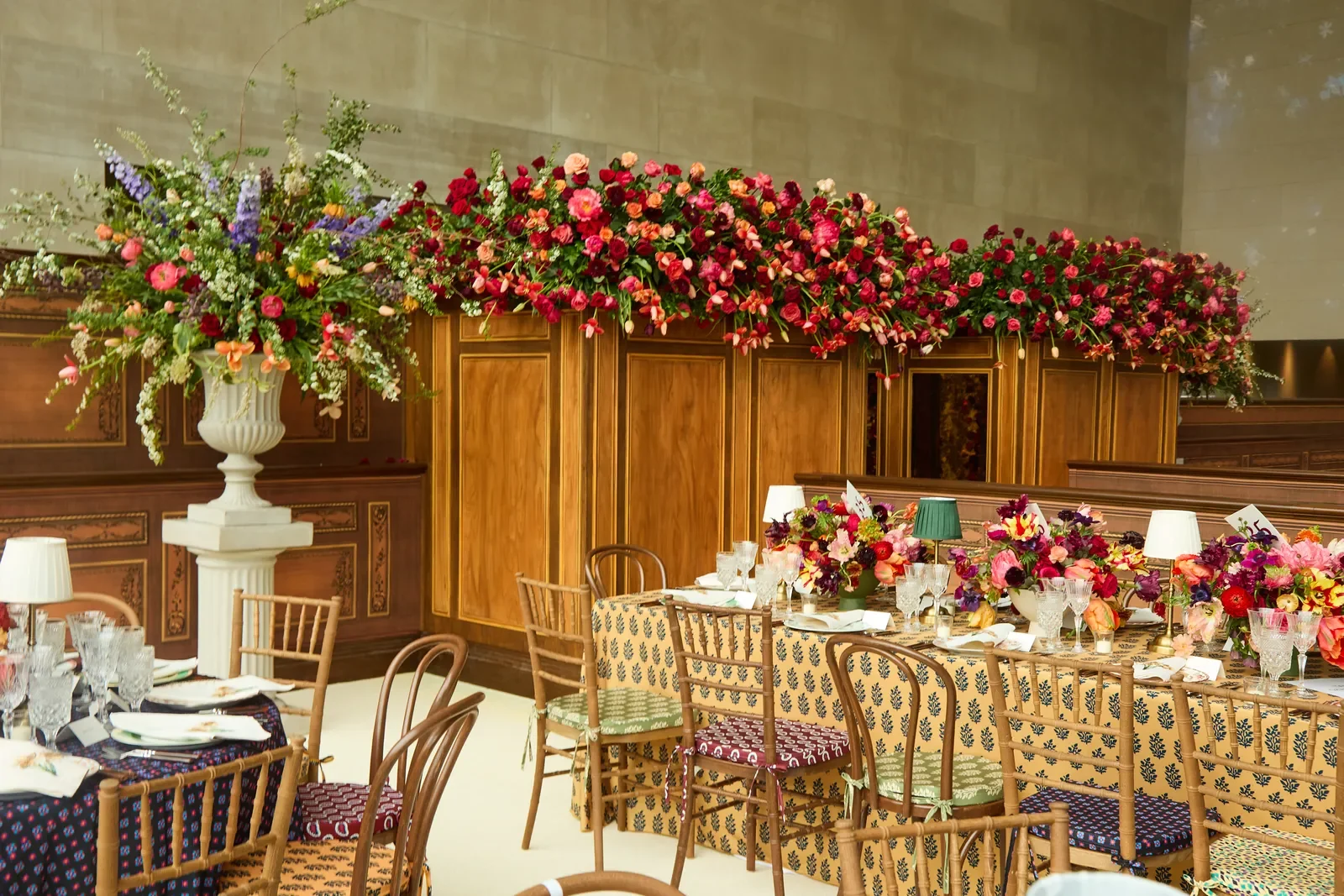
“Superfine: Tailoring Black Style,” the Temple of Dendur dining room. Courtesy of Vogue & Denise Stephanie
A Dinner That Slips Seamlessly Into a Party, The Kind Where The Music Gets Louder and The Night Goes Looser
After dinner, the night keeps going with performances that mix music, fashion, and art. The museum turns into a playground for creativity, part party, part exhibition. But even here, the seating chart’s influence lingers. The connections made at the table shape who guests mingle with, who they dance with, and how they remember the night.
The Met Gala is still the Costume Institute’s biggest fundraiser, bringing in millions to keep the exhibitions and collections going. But its real power comes from the stories and images that ripple out from both the red carpet and the conversations happening inside. While most people only see the spectacle, it’s the connections made behind closed doors that shape fashion and culture for years to come.
The Bathroom Selfies That Broke the Rules of Exclusivity
The Met Gala is all about control velvet ropes, no-phones policies, and a guest list tighter than a couture bodice. But some of the night’s most unforgettable moments don’t happen under the spotlights. They happen in the bathroom mirror. While the rest of the Metropolitan Museum of Art is a no-phone zone, the restroom has quietly become the place where rules slip, selfies happen, and the night’s energy spills over.
The bathroom has become the Met Gala’s unofficial afterparty. It’s where celebrities duck in to catch their breath, fix a stray sequin, or just escape the crush of the main event. Suddenly, you’ll find a cluster of models, musicians, and designers squeezed together in front of the mirror, gowns trailing across the tile, someone’s lipstick being reapplied, a flash going off as another selfie is snapped. These photos aren’t staged or perfectly lit. They’re messy, crowded, and alive, and that’s exactly why they end up everywhere.
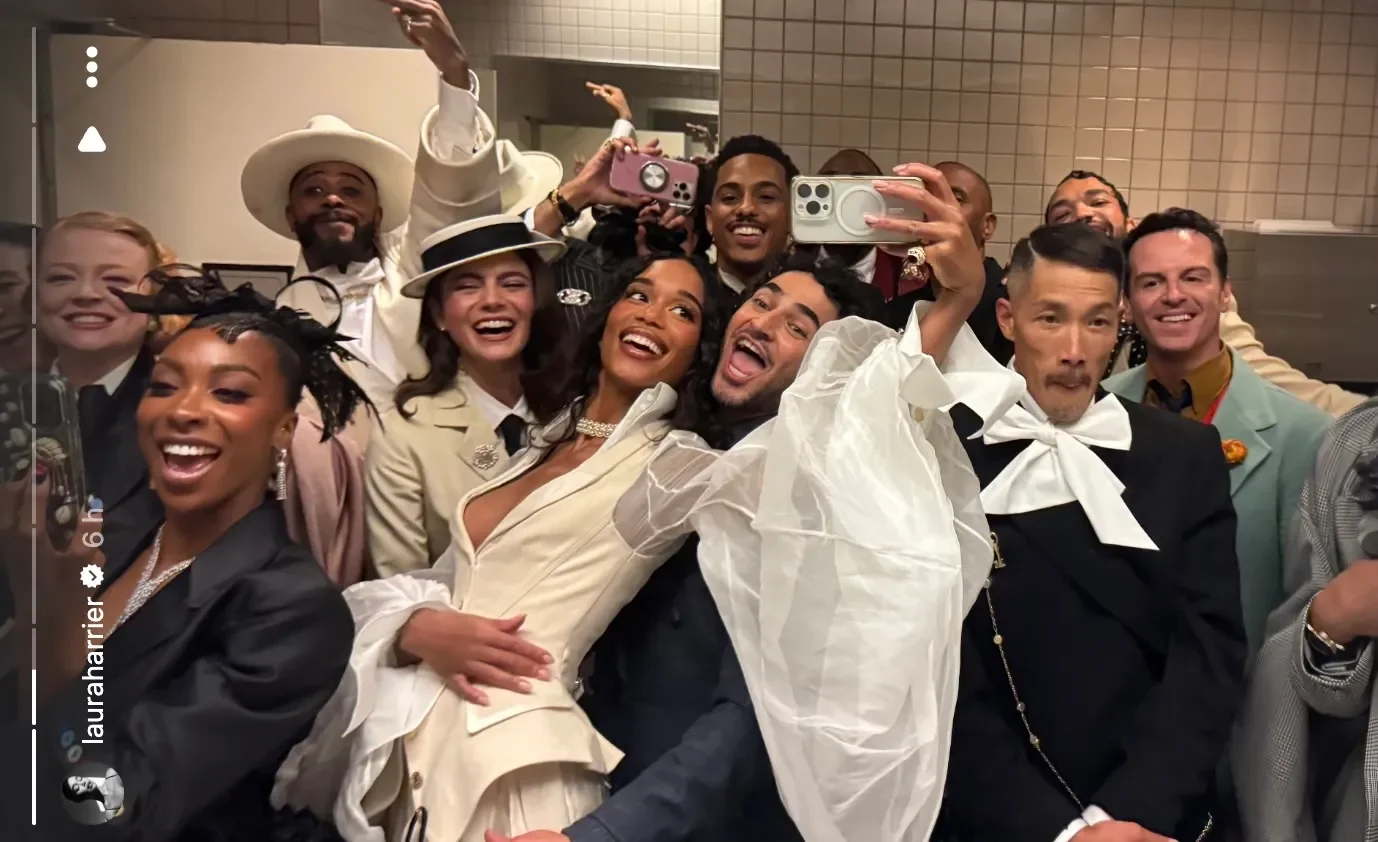
Laura Harrier / Instagram
What makes these bathroom selfies irresistible is how they flatten the usual pecking order. Suddenly, a stylist is shoulder-to-shoulder with a supermodel, an actor is squeezed in next to a designer, and everyone’s just trying to fit into the frame. For a few minutes, the Met’s strict choreography falls away, and you get a glimpse of the real party—unfiltered, a little chaotic, and completely human.
It’s a twist worthy of the night itself: the photos snapped in the bathroom—technically not allowed—are the ones that end up everywhere. While the Met Gala tries to keep a tight grip on its image, these mirror selfies break free, flooding social feeds and sometimes outshining the official red carpet shots.
That push and pull between what’s meant to stay hidden and what slips out gives these photos their power. The more the Met tries to keep things under wraps, the more everyone wants a peek behind the curtain. In the end, it’s the unscripted, rule-breaking moments that stick in our memory. Bathroom selfies aren’t just quick snaps; they’re proof that even the most carefully curated night in fashion can’t bottle up real-life energy. For a split second, the rules bend, and the world gets to see what happens when the doors close and the flash goes off.
Inside The After Parties, Where The Real Stories Unfold
After the last flashbulb pops inside the museum, the night spills out into the city. This is when the after parties begin, the unofficial, electric sequel to the main event.
When the last guests leave the museum, New York’s social scene comes alive. Rihanna and A$AP Rocky usually headline the most talked-about gathering, but the city is dotted with private celebrations from every major fashion house and luxury brand. These parties aren’t on the official program, but they’re where the night’s energy really shifts, less buttoned-up, more unpredictable, and always a little wilder than what came before. The after parties are where the night’s script gets tossed aside. Gowns are swapped for something shorter, sparklier, or just more fun. The mood turns from museum formality to pure nightlife—think pulsing music, dim lights, and a sense that anything could happen. Celebrities slip into new looks, sometimes baring more skin or taking bigger risks than they did on the red carpet. Every outfit change is calculated, a way to keep the cameras—and the conversation—on them long after the gala ends.
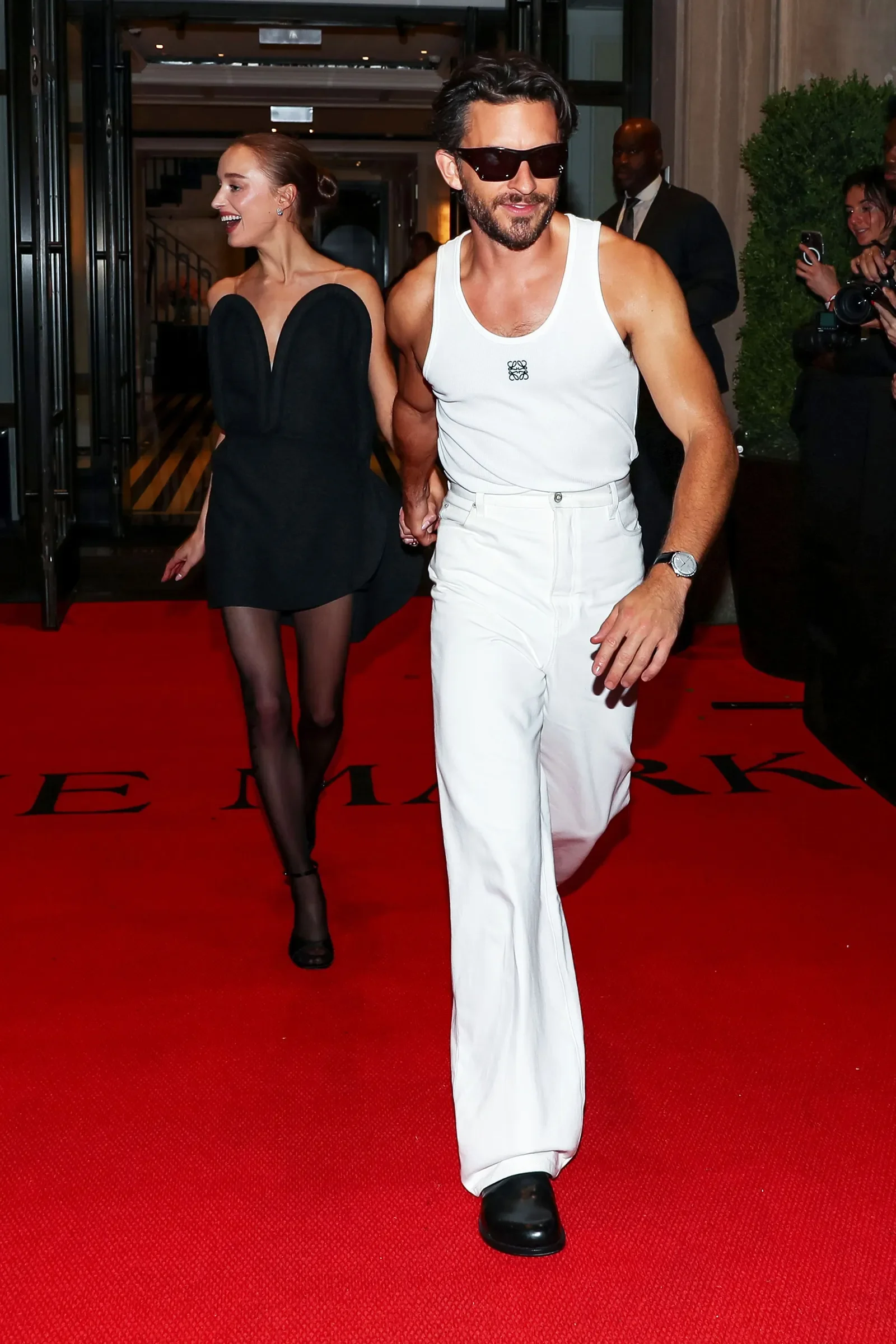
Bridgerton costars Jonathan Bailey and Phoebe Dynevor leaving The Mark Hotel. (Image credit: Shutterstock)
Getting into these parties is its own kind of sport. The guest lists are tighter than the gala’s, built on whispered invites and personal connections. Inside, the scene feels more like a members-only club than a formal event, with designers, models, musicians, and influencers all mixing in low-lit rooms. Earlier in the night, everyone played their part for the cameras. Here, they let loose, trading curated personas for something more real. But even in these looser settings, influence is still the currency. Brands keep their presence felt, making sure their people are seen and their jewelry catches the light. The conversations that started over dinner at the museum spill into these rooms, only now the talk is easier, the laughter louder. No one’s making big announcements, but alliances are being cemented all the same. The after parties are where the night’s choreography gives way to something more spontaneous.
The museum dinner and the after parties together tell the full story of the night. It starts with the official spectacle, moves into social theater, and ends with private moments that rarely make it to Instagram. The Met Gala isn’t just one event—it’s a series of carefully staged scenes, each one shaping how fashion lives in the culture long after the last guest heads home. The Met Gala still raises millions for the Costume Institute, but its real power lies in culture. What happens inside those museum walls sets the tone for fashion everywhere, shaping headlines and sparking trends that ripple out for months. The night doesn’t end at the museum steps; it spills into the city, into the clubs, and into the way we think about celebrity and style.