
The Latest Dispatches From the Fashion Frontier
Welcome to Issue: your curated runway into the newest, sharpest, and most thoughtful pieces from fmmé. This isn’t a checklist of trends or a highlight reel. It’s where we publish our definitive features, essays, interviews, and explorations that push past surface‑level style and into ideas worth lingering on.
Each issue is a chance to slow down in a world that scrolls fast, to think deeply about the forces shaping fashion and culture and to discover perspectives you didn’t know you were missing. Whether it’s dissecting runway movements, spotlighting unheard voices, or unpacking fashion’s cultural intersections, Issue is where fmmé’s voice truly speaks.
Start here. Read widely. Stay curious.
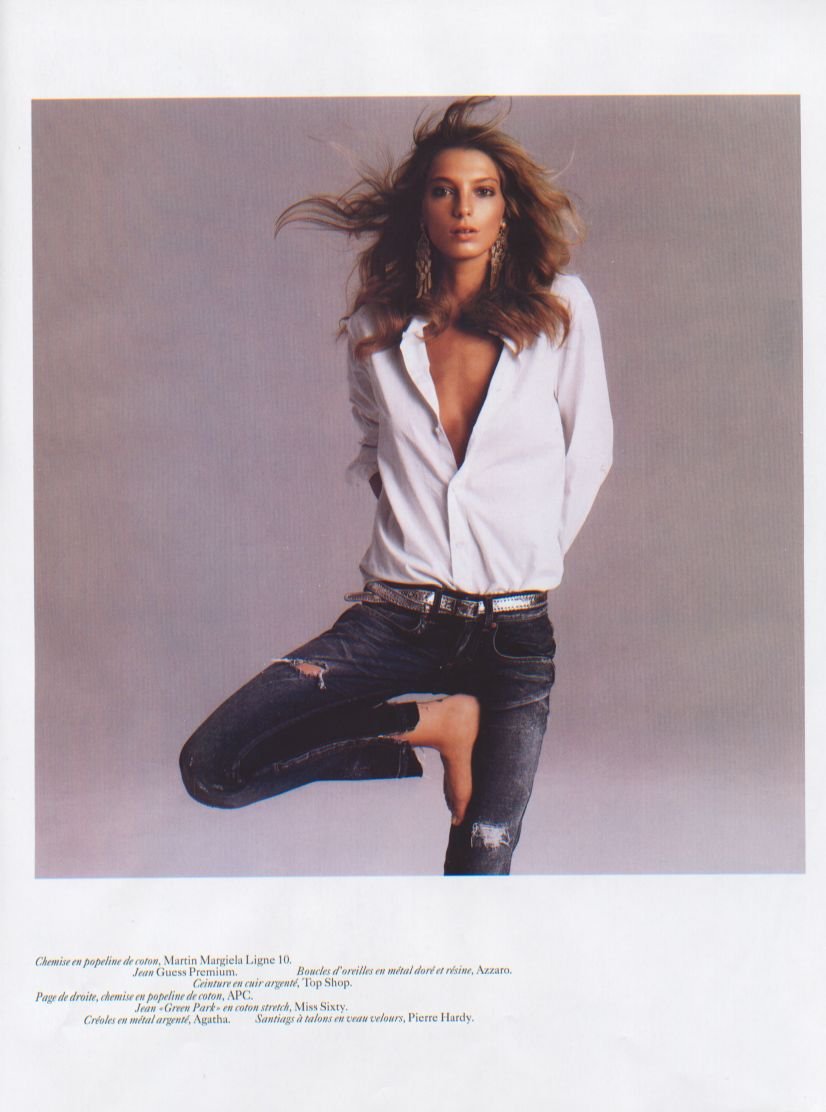
Why The Plain White T-shirt + Jeans Is The Ultimate Outfit
Enduring style, cultural currency, and runway relevance. In a world of seasonal crazes and ever-shifting trends, the pairing of a plain white T-shirt with jeans emerges as an effortless icon, not as an afterthought but as a foundational wardrobe truth. This timeless canvas for self-expression is easy but never lazy; simple yet endlessly expressive. From the ateliers of Paris to everyday street style, this combination continues to define what it means to look good without trying too hard. Here's why this humble outfit still reigns supreme: we take a deeper look at how it has earned its place on runways, in cultural history, and at the heart of personal style.
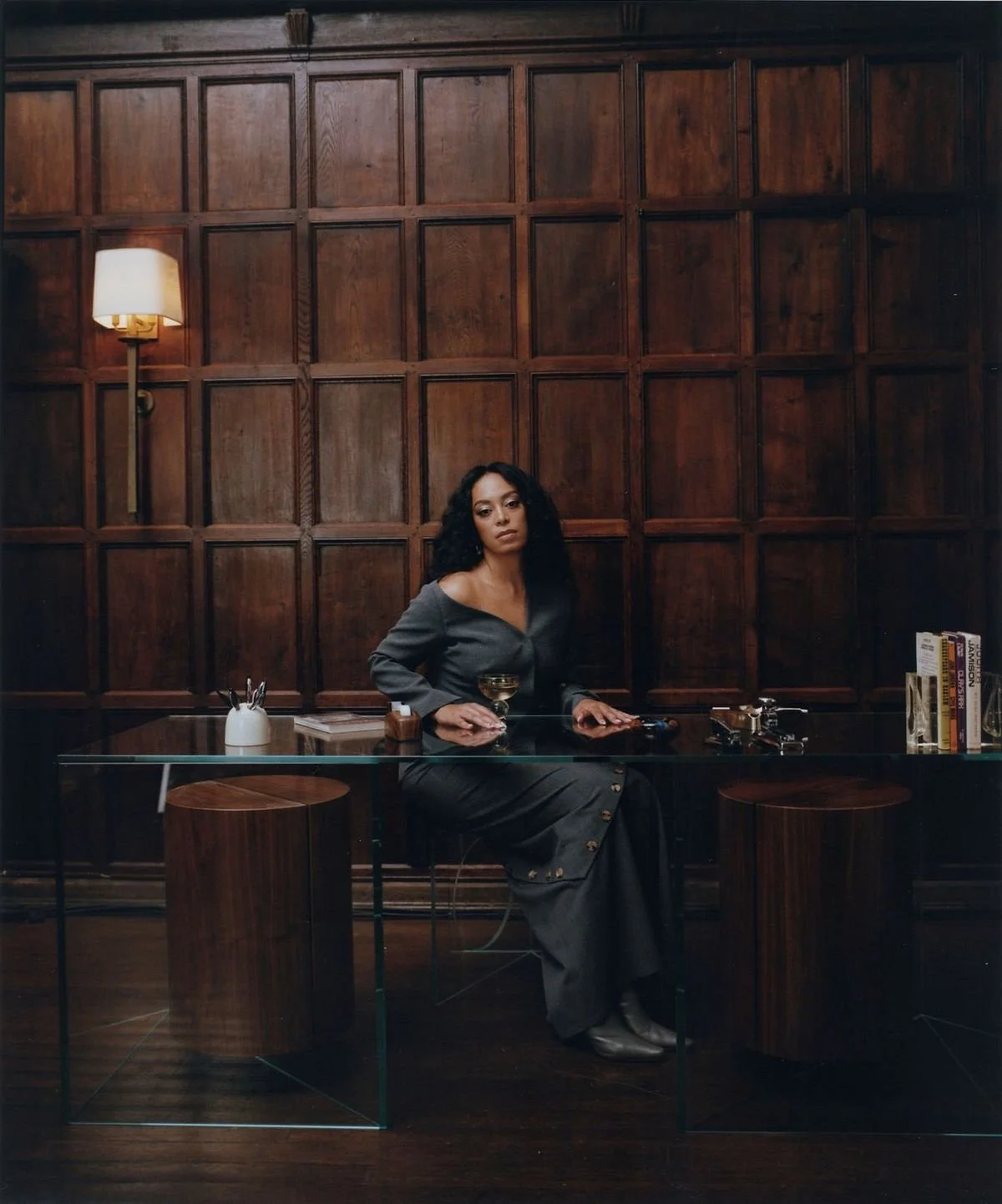
The Death and Rebirth of the It-Girl
Who is the It Girl? Since the dawn of the digital age, it seems anyone with a Canon G7X and a "cool girl" aesthetic can call themselves an It Girl. It's easy: if you have a recognizable style, thousands of young women look up to you. But if we go back a few decades, when we still had stacks of magazines and MTV, the It Girl was chosen based on personality, media attention, originality, and looks. Think Paris Hilton, Nicole Richie, Hilary Duff, or Lauren Conrad. They set the trends.
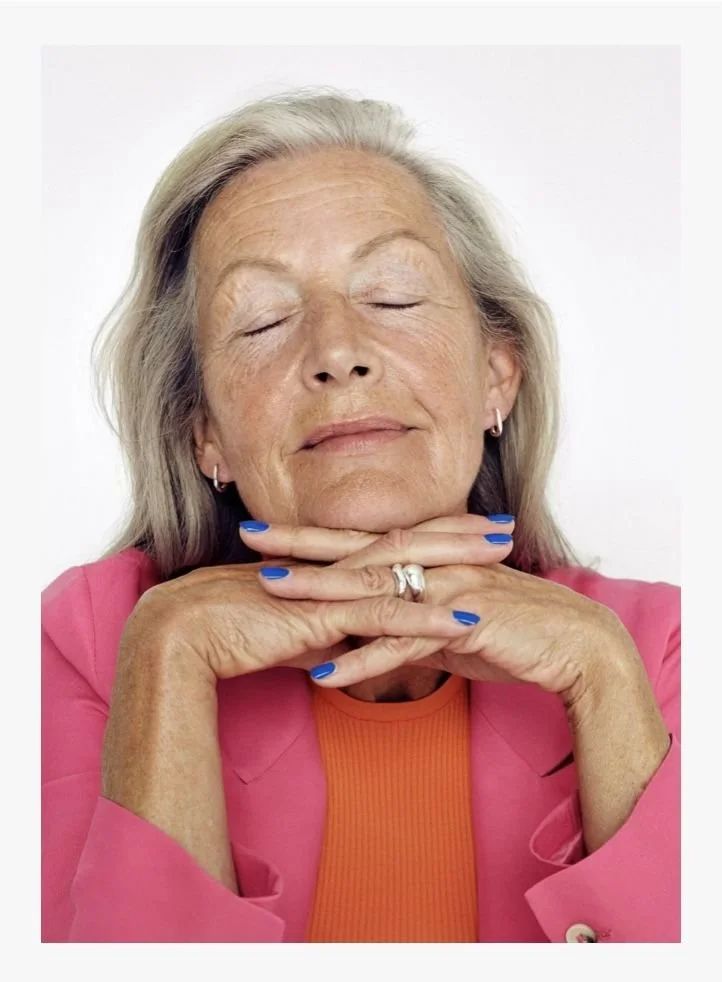
Style Has No Expiration Date: Challenging Fashion’s Youth Obsession
According to a 2025 report from ZipDo, the median age of models in the international fashion industry is about 23, and about 15 percent of models under mainstream contracts are over 30. This is not a coincidence, but the result of an industry that consistently links youth to relevance, marketability, and beauty. As we, the consumers, age and diversify, fashion still reflects a narrow view in its representation. Brands have tried to reflect society in recent years, but these efforts have not always worked. The recent rise of older models and designs is not just a trend, but a response to growing social criticism. The real question is not whether fashion is changing, but why it has taken so long.
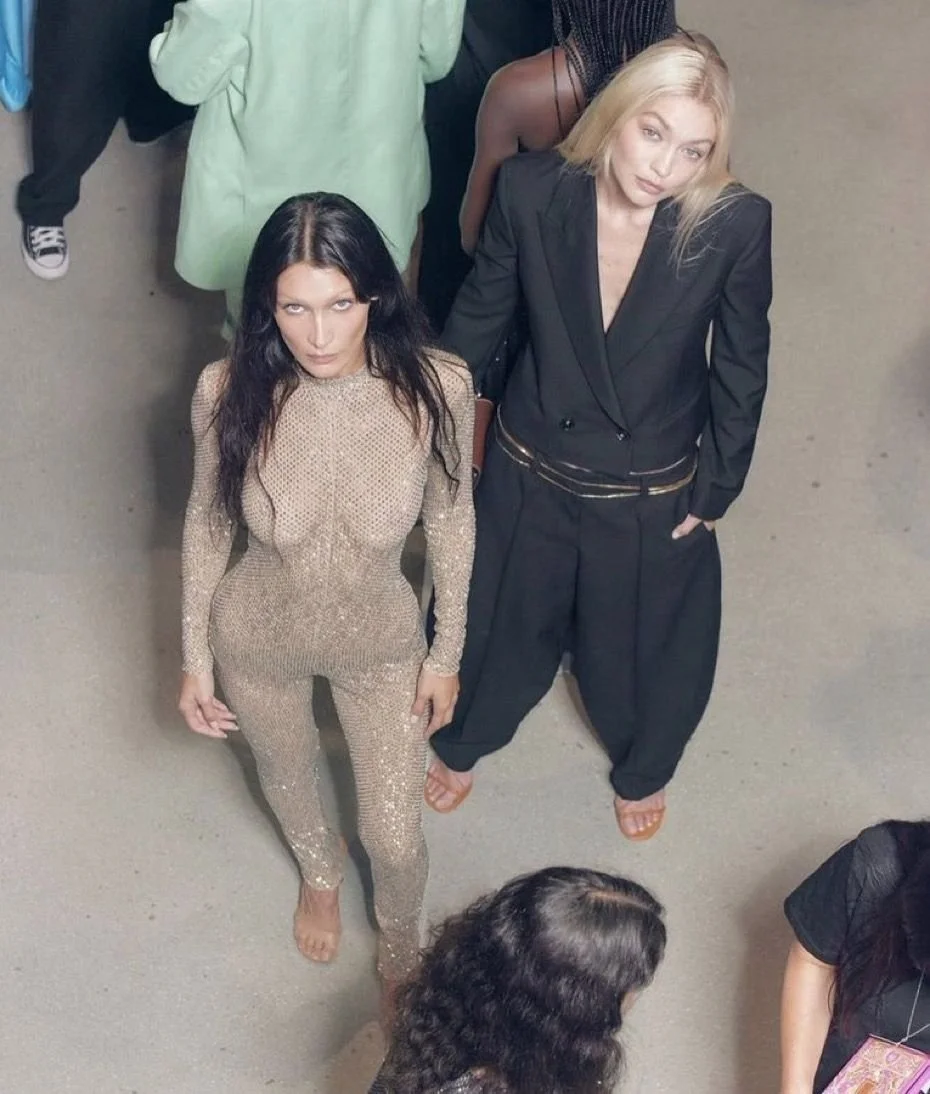
How the Hadid Sisters Redefine Fashion Campaigns in the Digital Era
The name Hadid is synonymous with heroic actions: fighting for the Palestinian people, advocating for social causes, and championing human rights. The Hadid sisters transform traditional fashion campaigns into engaging digital experiences that resonate with younger audiences. Their influence surpasses print advertising, as they share their stories on TikTok and connect with Gen Z. With a combined Instagram following of 137.6 million, they raise the question: how do Gigi and Bella define fashion campaigns in the digital age?
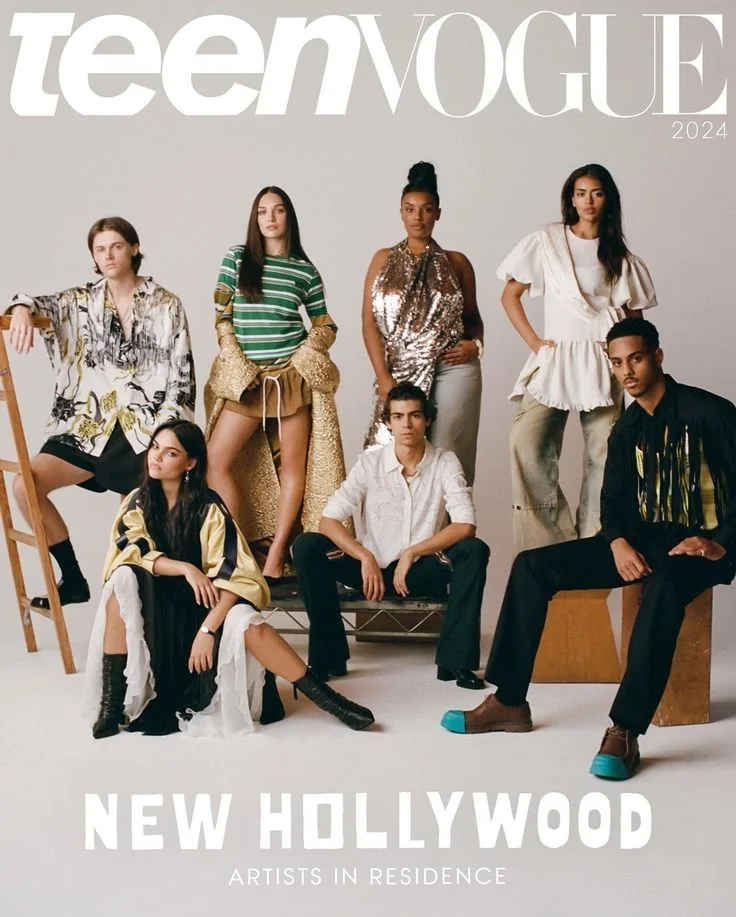
We Need Teen Magazines Again and Not Just for Nostalgia
This week, I was scrolling through Instagram, as usual, when I saw the same two photos of Oke Intunu and Emily Zirimis, taken at different times. They had shared a picture of their IDs at Condé Nast, accompanied by a poignant caption: The end of an era, we’ll miss you Teen Vogue. Not knowing what had happened, I started digging. Condé Nast announced it would merge Teen Vogue with Vogue.com. As a major fashion enthusiast, and with an older sister who used to buy magazines every Wednesday and subscribe to receive them, I realized that today’s youth no longer have magazines to escape reality, or sources tailored to their interests an