
The Death and Rebirth of the It-Girl
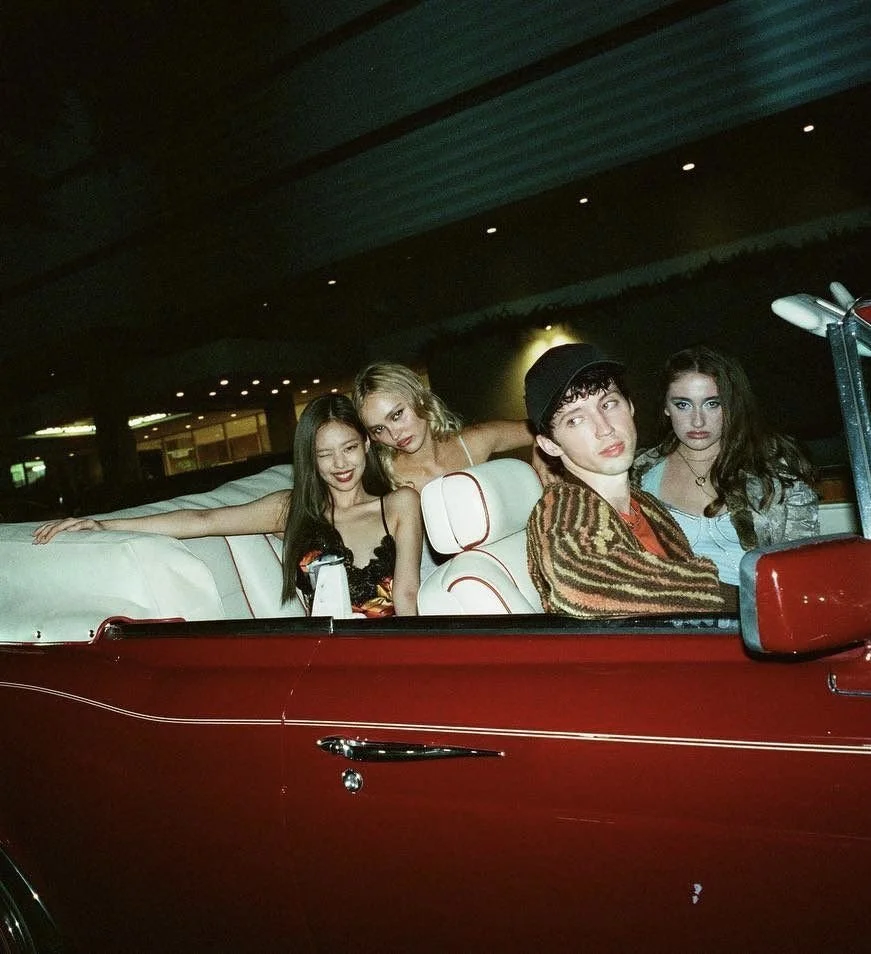
Jennie & Lily-Rose Depp for The Idol
Who is the It Girl? Since the dawn of the digital age, it seems anyone with a Canon G7X and a "cool girl" aesthetic can call themselves an It Girl. It's easy: if you have a recognizable style, thousands of young women look up to you. But if we go back a few decades, when we still had stacks of magazines and MTV, the It Girl was chosen based on personality, media attention, originality, and looks. Think Paris Hilton, Nicole Richie, Hilary Duff, or Lauren Conrad. They set the trends. Paris Hilton brought Juicy Couture tracksuits back to the mainstream, while Nicole Richie revived boho-chic in the early 2000s. In the current landscape, figures like Emma Chamberlain and Bella Hadid embody the essence of the 2020s It Girl, defining and influencing today's fashion and lifestyle trends.
With the rise of digital platforms, we have to ask ourselves: who is this generation's It Girl?
The Original It Girl Concept: From Societal Heiress to Fashion Icons
Not everyone can be an It Girl. The term was popularized in the 1920s by Elinor Glyn. "It" referred to a young woman who possessed wealth, beauty, and a glamorous lifestyle, often a society heiress like Gloria Vanderbilt or Tinsley Mortimer.
In modern times, the term is used for popular reality TV stars or influencers. Still, there's a crucial difference between the It Girls of the past and present: traditional media versus digital platforms. Iconic It Girls like Alexa Chung and Kate Moss achieved their status through glossy magazines, collaborations with top photographers, and exclusive access to the fashion world. They were discovered, not created. Mystery surrounded them: their private lives remained largely unknown, giving their image meaning.
Today, however, the digital It Girl is defined by algorithms and recognizability. She is no longer discovered by the industry; she is discovered by likes, views, and followers. Algorithms play a crucial role in this shift, as they determine which content becomes visible based on engagement metrics. Popular platforms like Instagram and TikTok use these algorithms to push content that gains immediate traction, shaping trends and propelling certain personalities into the spotlight. Mystery fades: she has become a product of her own brand, rather than a muse of a brand.
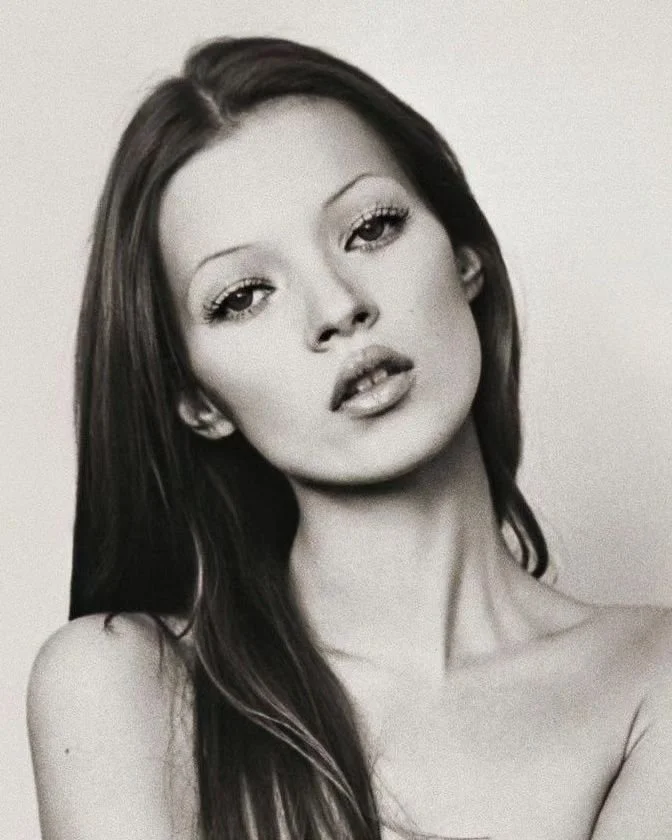
Kate Moss
It-Girls in Fashion, Pop Culture, and Television
It-girls have long been central figures in fashion and pop culture, shaping trends and defining the aesthetics of their generation. These women are celebrated not solely for a specific talent but for their style, charisma, and cultural presence. They set trends, influence media, and often become symbols of contemporary cool.
Television has played a significant role in amplifying the It-girl phenomenon. In the 1990s and early 2000s, shows like Beverly Hills, 90210, The O.C., and Gossip Girl introduced audiences to fashionable, aspirational young women whose wardrobes and lifestyles were widely emulated. Characters such as Blair Waldorf and Serena van der Woodsen became archetypes of the modern It-girl chic, socially influential, and media-savvy. These portrayals often blurred the line between fiction and reality, inspiring real-life fashion trends and fueling interest in celebrity culture.
Alongside television, real-life It-girls like Kate Moss and Paris Hilton, and later social media influencers such as Hailey Bieber and Emma Chamberlain, the archetype was further cemented. On-screen or in real life, It-girls dictate trends, collaborate with fashion houses, and shape cultural conversations, demonstrating a unique power to merge entertainment, style, and popular appeal.
By bridging media platforms from print and TV to social media, It-girls have become enduring icons whose influence extends far beyond fashion, defining ideals of beauty, lifestyle, and coolness for each generation.
Digital It-Girls in 2026: How Social Media Algorithms Give Power to Trends and Influence
In 2026, the algorithm will determine who the It-Girl is; traditional media has largely lost its role. Platforms like TikTok and Instagram will dictate which aesthetics are trending: clean girl, wellness core, effortless chic. The digital It-Girl will rewrite the rules of It-Girlhood.
It's no longer about socialites of fame per se, but about comfort, authenticity, and personal expression. She unconsciously creates parasocial intimacy: everything she does is tracked. Where the former It-Girl set boundaries, the digital It-Girl shares almost everything. This lack of privacy and constant visibility makes her influence temporary: she can disappear within months, while classic It-Girls remain relevant for years. However, there are ways for a digital It-Girl to achieve longevity. By cultivating an air of mystery, selectively sharing aspects of her life to keep audiences intrigued, or by focusing on making a cultural impact through unique storytelling and thought-provoking content, she can remain relevant well beyond the fleeting trends. Investing in personal growth and evolving her brand can also help in maintaining an enduring presence in the ever-changing digital landscape.

Summer Roberts from the tv show The OC
The Pressures of Digital Life: Burnout, Constant Visibility, and the Identity of the Contemporary It Girl
The modern It Girl is a temporary phenomenon. Social media is accessible to everyone, forcing them to compete to stay relevant constantly. It Girlhood is both an opportunity and a demanding endeavor. The pressure to maintain status often leads to burnout: ideas run out, content must be constantly produced, and identity is replaced by monetization.
In the past, relevance was earned through magazines, television, film cameos, or talk shows. The contemporary It Girl earns money and visibility through her platform. This makes her status fleeting, while classic It Girls coincided with cultural timing. For example, Edie Sedgwick emerged in the 1960s precisely when the art and fashion industry needed a new face to embody the transition from classic glamour to avant-garde, youthful cool.
Are It Girls still relevant in 2026? From influencers to cultural creators who set trends
In 2026, we must ask ourselves: Is the "It girl" phenomenon more of a fluid aesthetic concept than a person? The answer is no. An It girl remains an individual who captures the attention of young women and young adults. They may not be the Kate Mosses or Hilary Duffs of the past, the famous actresses and musicians, but rather figures emerging from various global scenes. Art dealers like Alexandra Saint Mleux, photographers like Iris Luz, or tech innovators shaping digital identities are reviving the classic It-girl formula: privacy, mystery, and exclusivity. Consider Aya Nakamura from France, who blends music and fashion influences, or Nigerian media entrepreneur Laila Johnson-Salami, who leads cultural dialogues both online and offline. These modern It Girls, from diverse backgrounds, show that it's not merely about style, but about cultural impact and narrative creation.
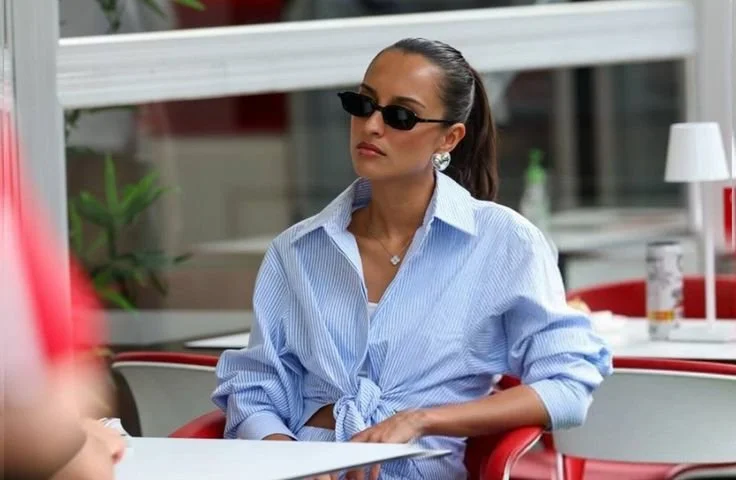
It girl & art dealer Alexandra Saint Mleux
The Future of the It Girl: From Socialite to Influential Cultural Author and Trendsetter
The It Girl of tomorrow isn't a socialite, influencer, or entertainer, but a cultural author. Her status doesn't come from reach or visibility, but from her influence on style, narrative, and aesthetics. She's a creator, curator, artist, or researcher who embodies the zeitgeist before it's defined. For the reader looking to spot these new It Girls, observe those who not only influence trends but are deeply involved in cultural conversations and artistic realms. To emulate them, focus on developing a unique personal style, engaging with art and culture, and creating a narrative that captures your authentic voice. This approach not only helps in identifying new trends but also reinforces personal growth and individuality in the fashion landscape.
Mystery remains her strength. She carefully chooses her visibility: selective editorials, underground events, secret drops. Exclusivity is defined by cultural impact, not by access to parties. Timing is crucial: she appears precisely when an aesthetic or cultural need becomes palpable, whether it's for sustainability, inclusivity, gender fluidity, or digital identity.
Why the It Girl Isn't Dead: Decentralized, Powerful, and Unstoppable in an Age of Digital Culture
The It Girl isn't dead; she's decentralized, faster, and more powerful than ever. No longer confined to the front rows, glossy covers, or Instagram feeds, she thrives at the intersection of culture, creativity, and timing. She appears in underground exhibitions, editorial spreads, or ephemeral digital spaces, shaping trends before anyone can name them. Her influence isn't measured in likes or followers, but in cultural resonance, the quiet power of being seen by the right eyes at the right time.
The question now is: is the It Girl an icon or merely an algorithm's trending moment? In a world where visibility is ubiquitous but meaning scarce, she might well be both, and that's precisely what makes her unstoppable.