
The Cool Girl’s Guide to Communication, Journalism & Fashion
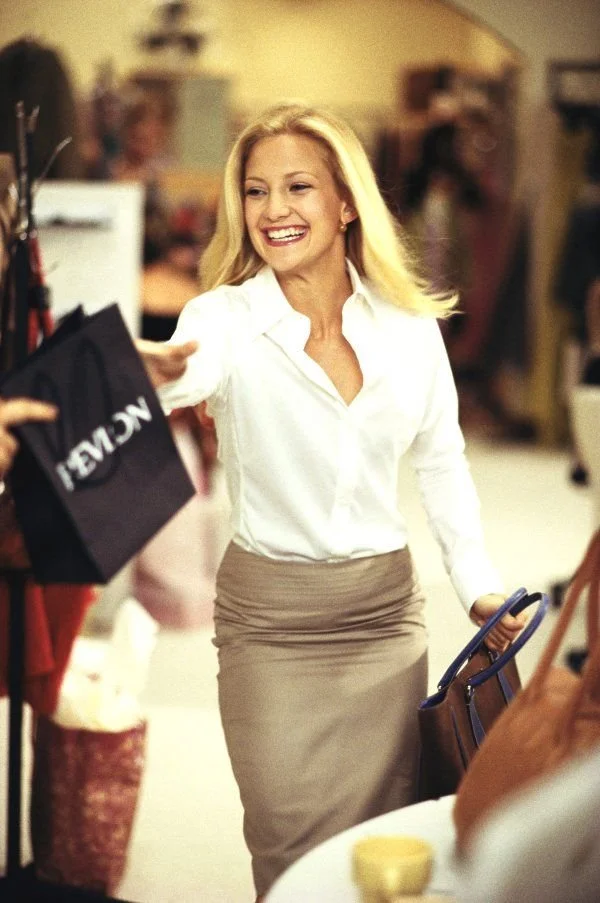
Andie Anderson, cool girl columnist. Courtesy of Vogue
If you’re a student in lecture halls or a young professional starting out in media, studying communication or journalism is more than just meeting deadlines. For “cool girls,” it’s about understanding culture, turning style into stories, and shaping how people see the world. For today’s media leaders, style matters; it’s a way to show credibility and confidence, whether on the runway, on screen, or online.
Let’s explore what it means to study communications and journalism with style, look at the trends shaping our generation, and highlight the voices leading today’s media.
The Modern Cool Girl and Her Journey Through Journalism and Communication
Choosing to study communication is a smart move for anyone who wants to understand how stories shape culture and impact industries. Fashion communication and journalism programs offer more than just writing and reporting. They teach you about multimedia storytelling, understanding audiences, and giving thoughtful feedback.
Schools like Artesis Plantijn Hogeschool in Antwerp (alma mater of our Editor-in-Chief), the Academy of Art University, New York University, and the Arthur L. Carter Journalism Institute offer programs that combine communication and fashion. These schools are known for creative courses in fashion journalism, digital media, and cultural storytelling. They stand out for preparing students to succeed and make an impact in media.
Short courses and workshops, like the fashion journalism program from Elle Netherlands and Fontys School of Journalism, mix editorial writing, broadcast work, and digital creativity. Taught by working journalists and industry experts, these programs give future journalists the skills they need to stand out.
By combining theory and hands-on experience, young communicators learn not just to report facts but also to understand culture. This is important in a world where media shapes identity, consumer choices, and global values.
Courtesy of Pinterest
Runway Literacy as Cultural Scholarship
Runway shows are more than just entertainment; they are like living libraries. When a new collection debuts in Paris or Milan, it sets trends that soon appear in street style, store displays, and conversations around the world.
Fashion journalists learn to see meaning in clothing shapes and styles. For example, a tailored blazer with bold accessories shows current moods and lifestyle goals. When designers use sustainable materials, it signals growing concern for the environment and a push for ethical choices.
Courses in media communication and fashion analysis (like those at the University of Bologna) focus on how fashion is shared through digital and traditional media. They show how brands, journalists, and audiences work together to create meaning. Students learn to break down stories across different platforms and write responses that connect with many types of readers and viewers.
Turning Classroom Learning Into Real-World Media and Editorial Projects
Graduates in communication and journalism can take on many roles in fashion and media. Some work as editors for magazines or lifestyle websites, creating features and runway reviews. Others become writers, content strategists, podcast hosts, or multimedia journalists, telling stories that connect culture, identity, and what people want.
New communications professionals gain a lot from real-world experience. This can come from internships with fashion brands, working on editorial projects, or creating live content at fashion weeks and trade shows. These experiences are just as important as classroom learning and help young journalists build the skills they need to succeed in a busy industry.
Courtesy of Pinterest
The Journalists and Editors Who Shaped Fashion Media
Some journalists are both observers and influencers. Alina Cho, for example, started by hosting TV segments like CNN’s Fashion: Backstage Pass and later led style conversations in print and public events. She shows that communication is not just about reporting on fashion, but also about shaping how people talk about it.
Cathy Horyn also became well-known for her strong cultural analysis in runway reviews at The New York Times and New York Magazine. Her reviews go beyond judging clothes; they question fashion’s role in society.
And for those straddling both fashion and media, Irene Kim embodies the spirit of multidisciplinarity. Merging modeling, brand collaborations, and communication to forge a voice that’s as stylish as it is influential.
How Iconic Screen Journalists Offer Lessons for Aspiring Storytellers
Popular culture has influenced how we picture journalists’ lives. Stories about fashion media and lifestyle reporting can actually teach students and young professionals a lot.
The Devil Wears Prada tells the story of Andy Sachs, a recent graduate who knows little about fashion but lands a job at Runway magazine. As an assistant, she learns that covering style takes more than writing skills; it also needs resilience, flexibility, and a good eye. Andy’s journey shows that credibility in journalism comes from both what you know and how you adapt, which is a lesson for every young professional.

Jennifer Garner and Judy Greer in 13 Going on 30. Courtesy of Vogue
In How to Lose a Guy in 10 Days, magazine writer Andie Anderson has to balance her career goals with creative storytelling. Her character shows how fast and competitive lifestyle journalism can be, and why having a strong voice, humor, and connecting with readers matters. Even though it’s a romantic comedy, Andie’s way of handling deadlines, interviews, and stories reflects the real challenges young journalists face.
In 13 Going on 30, Jenna Rink goes from being a teenager to working at a fashion magazine. Her story shows the exciting and ambitious side of media jobs, from making content to learning about office life and editorial work. Jenna’s journey reminds students that being adaptable, curious, and aware of style is just as important as technical skills at work.
For students and young professionals, these fictional journalists offer more than just entertainment; they are examples ofambition, resilience, and the power of storytelling.
Mastering the Art of Style as a Form of Communication and Influence
Loving both communication, journalism, and fashion is not a contradiction; it’s a smart combination. It helps you understand symbols, question industry standards, and support underrepresented voices. This encourages women from all backgrounds to share their views, making the field more inclusive and empowering more people. And you can still enjoy the beauty of a great coat.
The cool girl understands that trends come and go, but having a strong point of view lasts. In the end, her most important accessory isn’t her blazer, boots, or bag; it’s her byline.