
Inside the Paddock: How Fashion and Brands Shape the Formula 1 Weekend
The luxury of F1
The race for culture, luxury, and relevance. Formula 1 is no longer just the pinnacle of motorsport. Over the past decade, it has grown into a global cultural phenomenon attracting automotive and energy companies, luxury fashion houses, tech giants, food and beverage brands, and lifestyle startups. This shift has reshaped the paddock, the heartbeat of the race weekend, turning it into a dynamic brand ecosystem that goes beyond logo placement.
For brands, this transformation opens new marketing strategies: they can leverage experiential activations, content creation, and influencer partnerships within F1 to reach diverse audiences. However, it also presents challenges, such as standing out in a crowded marketplace and balancing authenticity with commercial goals. Understanding and reacting to this evolving environment has become central to modern marketing playbooks in global sport.
What was once a closed world of engineers, drivers, and mechanics has evolved into a marketplace of ideas, experiences, and identities. Brands are no longer just sponsors; they are collaborators and strategic co-creators of the F1 experience.
Inside the Paddock Club Where (Fashion) Brands Rule the Race Weekend
At the core of Formula 1’s commercial transformation is the Paddock Club, the sport’s premium hospitality service. Conceived in 1984 as an elite space for corporate guests and sponsors, today’s Paddock Club is more than a VIP lounge; it has become a strategic brand platform.
Sponsors use the Paddock Club to host clients, partners, and influential guests in an atmosphere that blends racing excitement with luxury service. Gourmet catering, panoramic pit-lane views, and behind-the-scenes access are hallmarks of these spaces. For brands, this is about building deeper relationships, driving B2B interactions, and creating memorable experiences that last after the checkered flag falls.
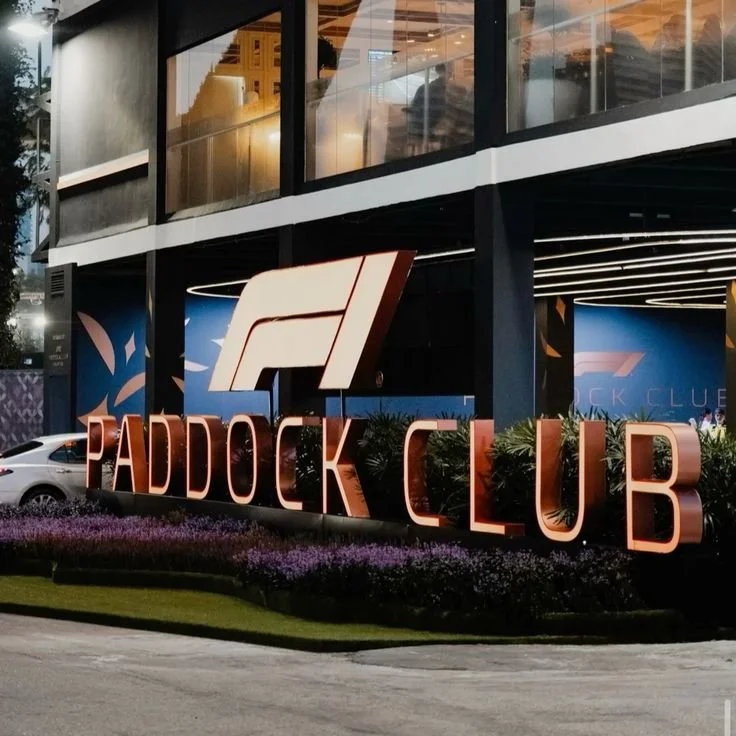
The famous Paddock Club to network. Pinterest
Making the weekend part of the narrative
Formula 1 knows that modern consumers, especially younger fans, crave engagement and authenticity more than passive advertising. Brands have responded by turning their paddock presence into interactive experiences on-site and online.
At the Miami Grand Prix, tech partners like Apple and Lenovo showcased interactive displays, simulators, and VR that brought fans closer to the technology behind racing, around the circuit and not just on the grid. Premium hospitality rooms also offered lounges where fans could explore brands' stories in immersive ways.
Alo Yoga, a wellness brand, used its paddock access to create recovery zones featuring cryotherapy, guided meditation, and athlete-focused wellness experiences for stress recovery and physical health. LEGO took a playful approach by building life-size drivable F1 cars from bricks, drawing families and casual fans into the event narrative.

The Formula 1 drivers' parade ahead of the Miami Grand Prix. Formula 1
Luxury on the Move: How Fashion Houses and Motorsport Collide at 300 Kilometers Per Hour
In 2025 and beyond, Formula 1’s fashion landscape has reached unprecedented heights. A landmark move came when LVMH signed a 10-year global partnership with Formula 1, beginning in 2025, integrating brands like Louis Vuitton, TAG Heuer, and Moët Hennessy into motorsport culture, with an emphasis on experience, craftsmanship, and visibility.
Louis Vuitton’s bespoke trophy trunks have become symbolic of this new era of sophistication and luxury. As the 2026 season kicks off, LV continues this relationship at every Grand Prix trophy ceremony and deepens involvement at marquee events such as the Formula 1 Louis Vuitton Grand Prix de Monaco.
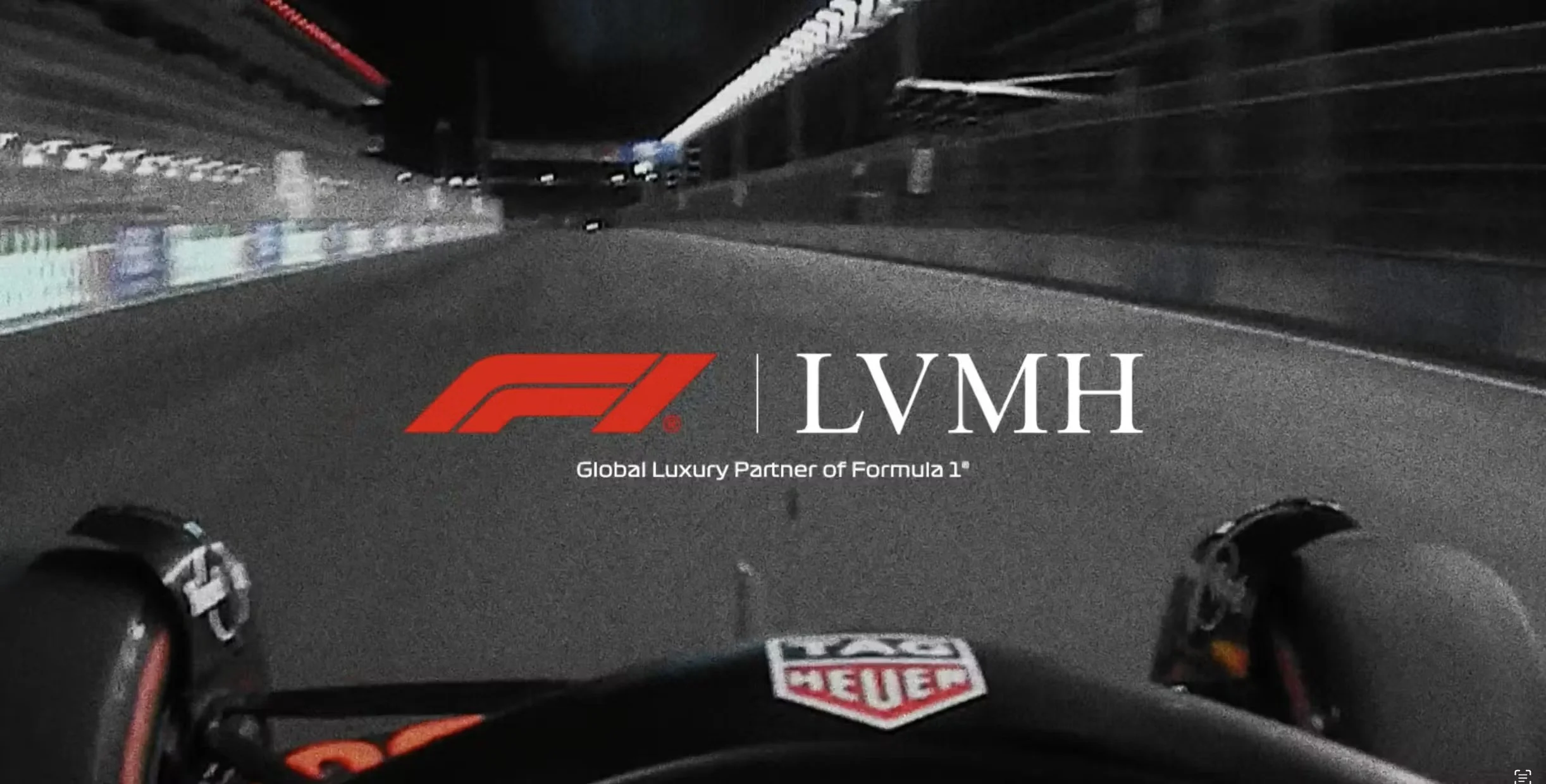
Partnerships between F1 & LVMH. Courtesy of LVMH
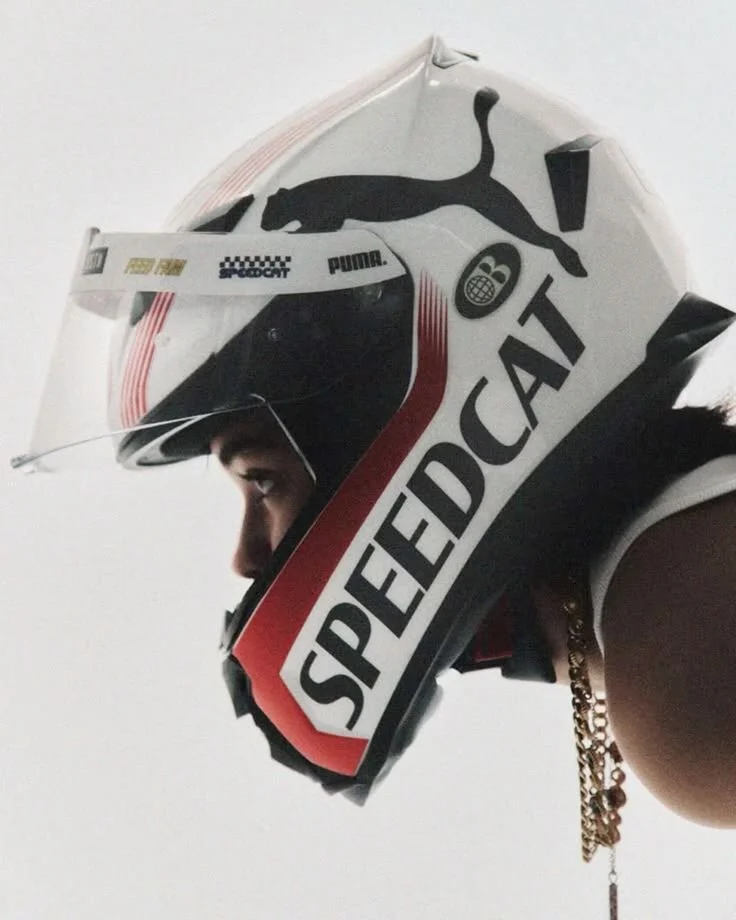
But high fashion isn’t alone. Modern streetwear and contemporary brands are deeply embedded in the paddock too. Collaborations between F1 and retailers such as Puma and PacSun, along with creative director-led projects featuring figures like A$AP Rocky, blur the lines between sport, lifestyle, and youth culture. These partnerships have resulted in notable outcomes: limited-edition Puma x F1 sneakers sold out within hours of their debut, and the PacSun collaboration generated a spike in social media engagement, trending across platforms during key race weekends. According to PUMA Group, their collaboration with A$AP Rocky was named "Collaboration of the Year" by Footwear News, highlighting significant industry recognition for the project.
Today’s paddock looks are worn by drivers, influencers, celebrities, and their entourages, who are documented worldwide on social media. Racetracks now function as global runways where every arrival is scrutinized, celebrated, and shared.
From Flamesuits to Runways: A Journey Through F1’s Fashion Evolution
To understand how Formula 1 became this fashion spectacle, it’s important to look back. In the early decades of the sport, driver attire was functional. Fireproof suits and helmets served safety above all; aesthetics were rarely considered. Even then, racers were photographed in tailored jackets and classic off-the-track cuts.
By the ‘80s and ‘90s, commercial sponsorships brought fashion into the spotlight. One notable early example was the Italian brand Benetton, which moved beyond sponsorship into team ownership, acquiring the Toleman team in 1985 and becoming a contender by the early ‘90s, with the Benetton logo prominent in historic seasons alongside Michael Schumacher’s rise. re than branding, it was fashion embedded in racing identity.
Another landmark partnership was Tommy Hilfiger’s involvement with Lotus in the early ‘90s, which later evolved into collaborations with Mercedes and Lewis Hamilton. This redefined how fashion brands could shape team apparel, lifestyle collections, and capsule drops tied to racing culture.
Luxury houses eventually followed. Giorgio Armani’s formalwear partnership with Ferrari formalized their presence at gala dinners, official appearances, and elite events, highlighting the fit between Italian fashion heritage and high-performance motorsport.
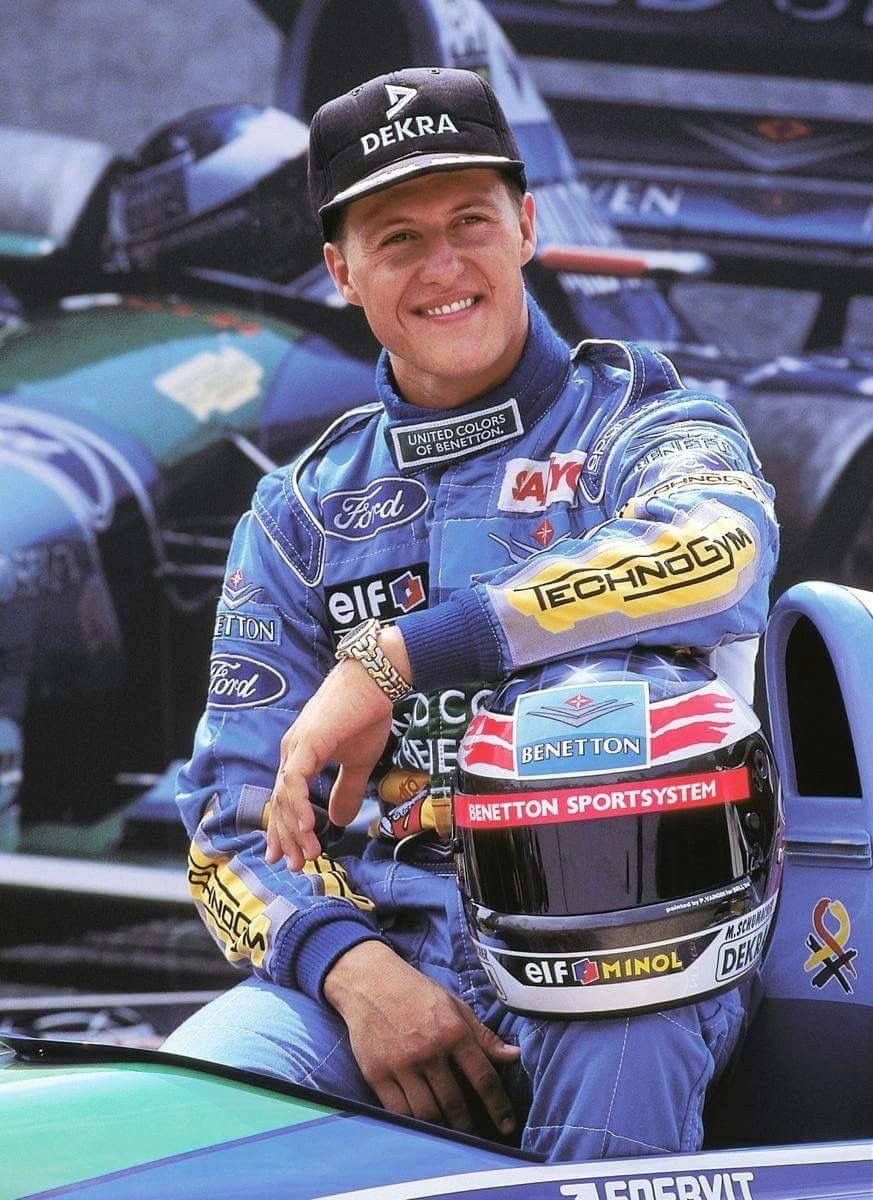
The Benetton logo was prominent in historic seasons alongside Michael Schumacher. Pinterest
Beyond Sponsorship: Why Global Brands Chase F1 for Culture, Prestige, and Influence
The motivation behind these diverse brand engagements is simple: Formula 1 offers scale, prestige, and cultural relevance unlike almost any other sport. Its global calendar spans continents, its media footprint reaches hundreds of millions, and its audience, amplified by storytelling platforms like Netflix’s Drive to Survive, is younger and more diverse than ever.
Brands invest not just to be seen but to be felt, to associate with speed, technology, luxury, and experience in ways that transcend traditional advertising. For luxury brands, F1 conveys exclusivity and craftsmanship. For tech firms, it signals innovation and performance. For consumer brands, it humanizes products and connects them with energizing experiences.
The Paddock as the Ultimate Intersection of Sport
The modern paddock serves as more than a technical zone; it is a convergence of sport, luxury, and global culture. Several factors fuel this:
Global media and streaming have turned every Grand Prix weekend into a worldwide spectacle where fashion coverage rivals race reporting.
Social media amplifies paddock arrivals into shareable moments with millions of views.
Audience diversification, especially among younger and female fans, has made motorsport more fashion‑sensitive and culturally inclusive.
Brands now see F1 not just as advertising but as cultural engagement. Partnerships with teams, drivers, and integrated lifestyle collections create narrative arcs that span tracks, capitals, and fashion weeks. These alliances are central to how Formula 1 defines itself in the 21st century.
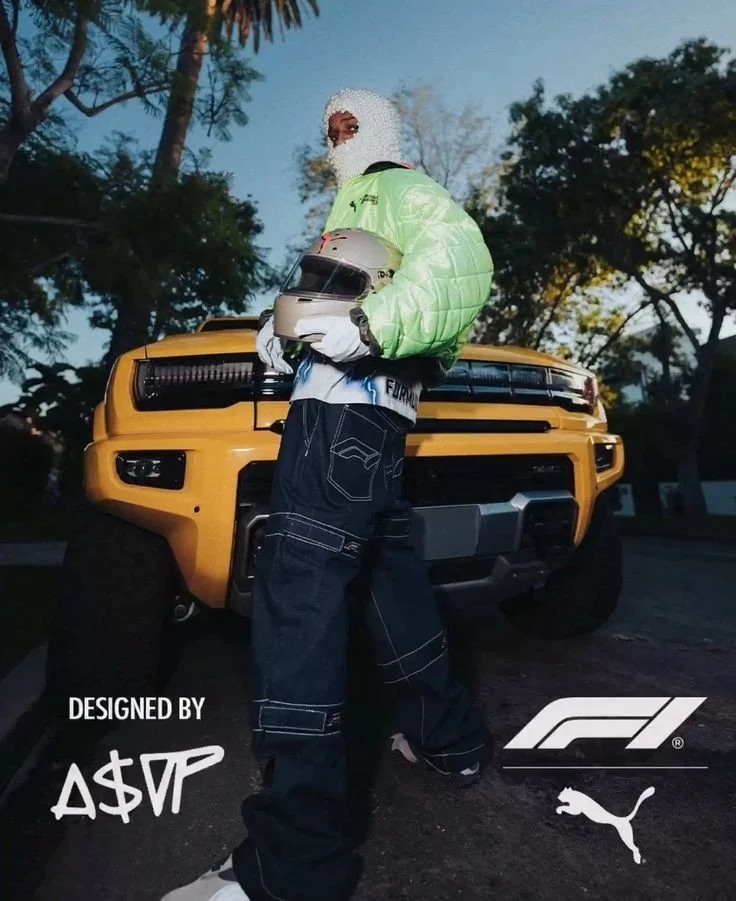
Collab of A$AP Rocky - Puma & F1. Courtesy of Puma
What’s Next on the Grid and the Runway
As Formula 1 continues its evolution, blending sport, entertainment, culture, commerce, and fashion, the paddock will likely remain a stage for brand experimentation and collaboration. Partnerships will deepen, activations become more immersive, and the line between racing and cultural spectacle will increasingly blur.
For students and future marketers, watching Formula 1 weekends offers a real-time case study in how brands use creative experiences, storytelling, and new media to capture attention and build lasting relevance. Consider how the strategies seen in the F1 paddock—such as integrating brand values into live events, leveraging influencer partnerships, and designing immersive activations—can inspire your own marketing campaigns, both inside and outside the world of sports.
In short, the paddock of today isn’t just where teams prepare for the race; it’s where brands race for relevance.