
Understanding the Enduring Power of Unscripted Television
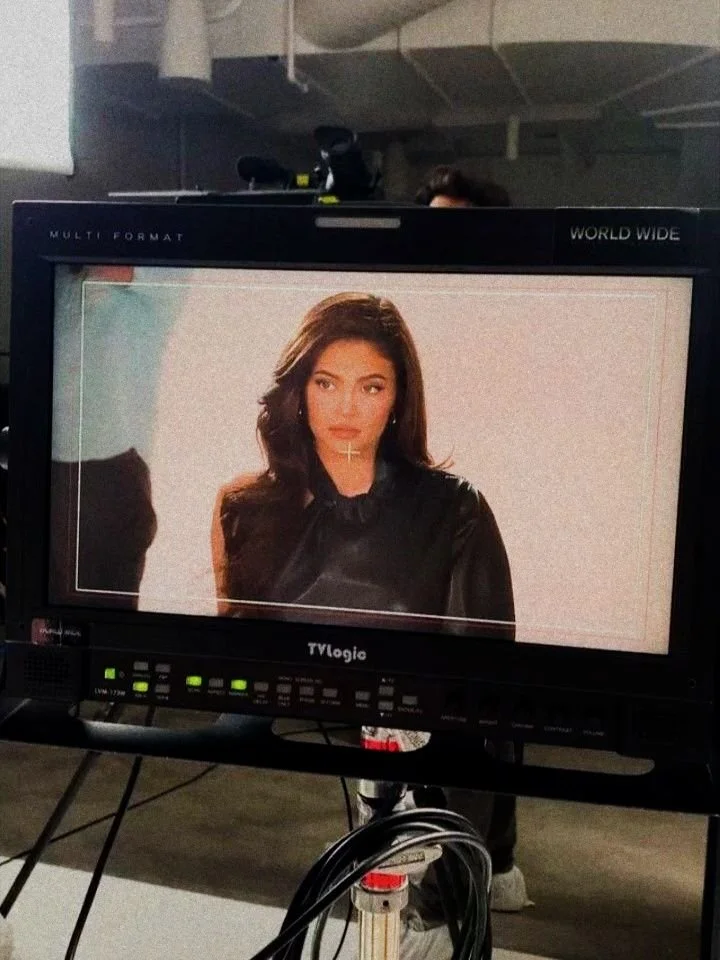
Have you at any time found yourself pausing mid-scroll, caught by the shimmer of a reality show? There’s something magnetic about the way reality television draws us in. What started as a late-90s curiosity has become a fixture in our lives, shaping the way we talk, dress, and even imagine ourselves. Reality TV isn’t just background noise; it’s a mirror, quietly reflecting our hopes, fears, and the stories we tell about who we are. Whether you watch with devotion or with a raised eyebrow, reality television reveals the shifting patterns of our collective identity.
Ordinary People, Jaw-Dropping Moments, and Stories You Can’t Look Away From
Reality television promises us something raw: a glimpse behind the curtain, a chance to witness lives unfolding in real time. We watch, believing we’re seeing something unfiltered, whether it’s the nervous laughter of a blind date or the polished chaos of a famous family. Even with all the edits, these moments feel closer to real life than any script could manage.
Love Is Blind didn’t need perfect performances to capture us. It asked a simple, human question: Can love exist without seeing? The show’s power comes from its willingness to show us vulnerability, messiness, honesty, and sometimes uncomfortable. We watch because these stories feel familiar, yet just beyond our grasp.
Keeping Up with the Kardashians was more than a family album. It became a lens through which we studied fame, family, and the art of self-invention. The show opened the door for anyone to step into the spotlight, turning everyday moments into something larger than life.
We watch these stories not just for the drama, but because they invite us in. They let us join the conversation about love, ambition, and the search for a place to belong.
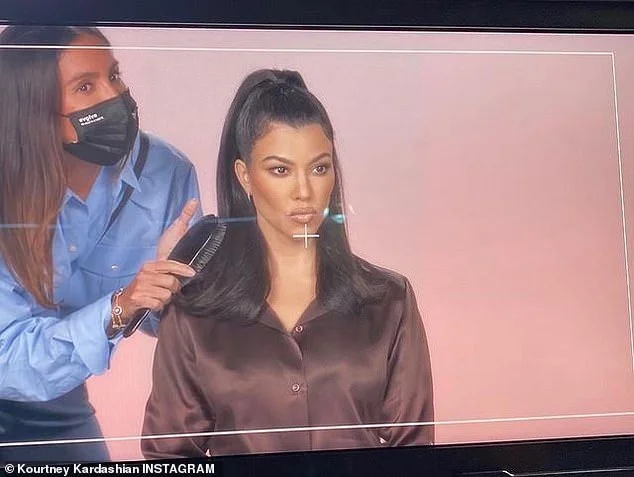
Courtesy of Daily Mail & Kourtney Kardashian-Barker
Battles, Ambitions, and the Drama That Keeps Us Glued to the Screen
Reality TV found drama in competition, turning everyday people into contenders for something bigger. Shows like Project Runway and America’s Next Top Model opened the doors to fashion’s hidden world, letting hopefuls step out of the ordinary and into the spotlight.
Project Runway has shown us a parade of new voices and visions, turning unknown designers into names we remember. It reminds us that these competitions can be more than entertainment.
America’s Next Top Model has faced its share of criticism, especially in its early years. Still, it changed how we think about beauty and transformation, making space for new voices. Shows like RuPaul’s Drag Race followed, turning the runway into a place of honoring creativity and belonging.
The Shows Everyone Talks About and Why We Just Can’t Stop Discussing Them
The influence of reality TV lingers long after the episode ends. Shows spark conversations, fill our group chats, and inspire memes. Watching becomes something we do together, picking apart every moment and sharing our reactions.
Even when we see the editing, we still look for something real. We chase those small moments that feel true, even if they’re hidden among the spectacle.
Dating shows like The Bachelorette and Love Island have brought our questions about love and connection into the spotlight. We watch and wonder: are these couples real, or just playing a part? The shows become both escape and reflection, letting us see our own hopes and doubts in their stories.
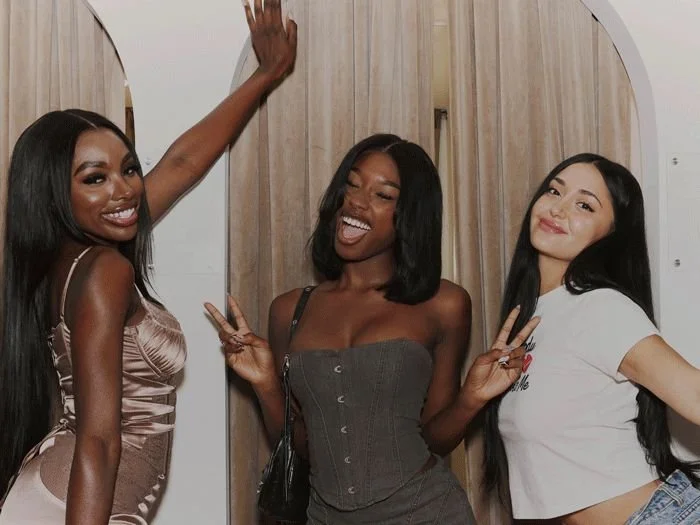
Courtesy of Serena Page
When Reality TV Inspires, Shocks, and Changes the Way We See the World
Reality shows draw big audiences, but they also face criticism. Some say they sell us stereotypes and impossible dreams, filling our screens with images of wealth and perfection. The effect can be a warped reflection of who we are and what we want.
Lately, there’s been more attention on how these shows affect the people who appear on them. Stories from The Secret Lives of Mormon Wives and The Bachelorette have raised questions about mental health. The pressure doesn’t always end when the cameras stop rolling.
There’s an ongoing tug-of-war: reality TV spins irresistible stories, but questions about participant welfare refuse to fade. The industry is under increasing pressure to rethink its responsibilities and care for the very people who keep the genre alive.

The cast of Secret Lives of Mormon Wives. Courtesy of Marie Claire
The Surprising Force Behind Culture, Conversation, and Our Obsession with Drama
Why does reality television matter? It lives where entertainment and identity meet, woven into the conversations we have every day. Reality TV reflects our values and shapes the trends we follow, from what we wear to how we speak and connect.
You can feel it everywhere. Love Is Blind gives us raw emotion. Keeping Up with the Kardashians lets us peek into family life. Project Runway brings the thrill of competition. Love Island and The Bachelorette become experiments in connection. Each show leaves a mark, shaping the stories we share long after the screen goes dark.
Even as media becomes more fragmented, reality TV brings us together. It doesn’t tell us who to be. Instead, it quietly reflects who we already are.