
Style Has No Expiration Date: Challenging Fashion’s Youth Obsession
Why youth isn’t the only currency in fashion

A group of models backstage at Balmain's Paris Fashion Week show. Image Courtesy of Getty & Telegraph
According to a 2025 report from ZipDo, the median age of models in the international fashion industry is about 23, and about 15 percent of models under mainstream contracts are over 30. This is not a coincidence, but the result of an industry that consistently links youth to relevance, marketability, and beauty. As we, the consumers, age and diversify, fashion still reflects a narrow view in its representation. Brands have tried to reflect society in recent years, but these efforts have not always worked. The recent rise of older models and designs is not just a trend, but a response to growing social criticism. The real question is not whether fashion is changing, but why it has taken so long.
Why fashion stayed young for so long
Fashion often claims to be progressive, but it is actually quite conservative about age. For decades, youth has been valued most for being fresh, adaptable, and appealing to buyers. In the 1990s, supermodels such as Kate Moss and Naomi Campbell set the standard for beauty with their youthful looks. During this period, magazines, advertisements, and fast fashion primarily targeted teenagers and people in their twenties.
The focus was not only on appearance but also on money. Younger models cost less, are easier to hire, and fit the common idea that fashion is all about newness and speed. But do older bodies really not fit this image? Is innovation always tied to youth?
From magazines to timelines
As social media grew in the 2010s, the power in fashion shifted, but the beauty ideal remained the same. Instagram and later TikTok let models and influencers reach millions of people directly. Trends spread faster than before, and there was even more focus on youth. Filters, algorithms, and viral videos all reward a young, smooth, and energetic look.
Meanwhile, the audience is changing. Consumers are older, more diverse, and more critical. Many do not see themselves in fashion campaigns. Fashion historians and cultural critics have long said that representation is really about power. People who are visible matter, while those who are not become marginalized. So, who is the fashion industry really making clothes for?

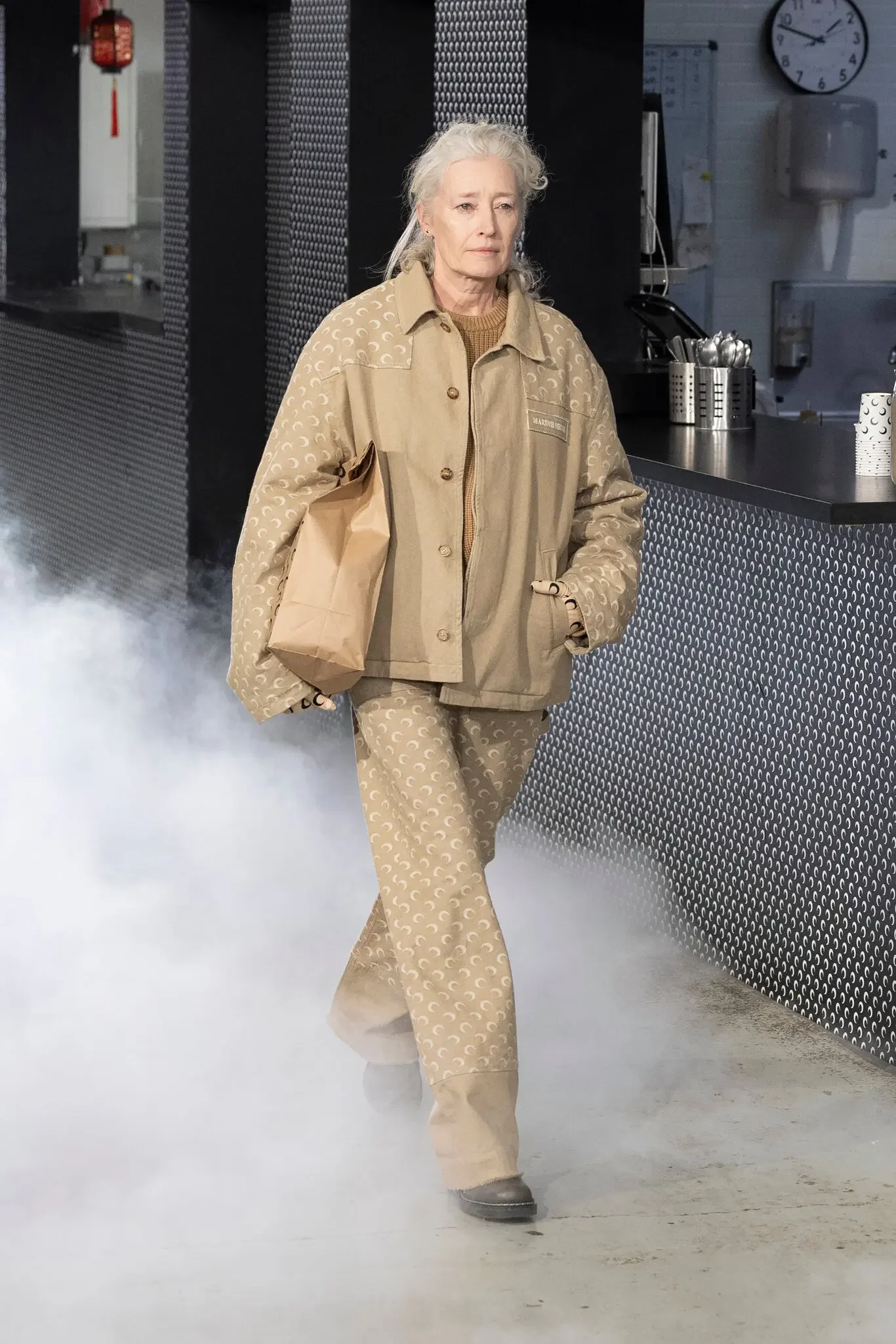
Old(er) models on the runway at Chloé. Image Courtesy of Carlo Scarpato/Gorunway, Balmain, MONIC
Who is willing to break away from what is considered normal?
Ageism is still common in casting, but lately, there has been a clear pushback. Brands such as Gucci and Prada now feature people of different ages in their campaigns and shows. In modeling, new mentor programs and platforms are helping older models get noticed and supported. This matters because age often overlaps with other parts of how someone looks. Are older women, especially women of color, given fewer chances? So, diversity is not just about age, but about who gets seen and who does not.
Inclusivity as smart marketing
Stories of success show that including people of all ages is both the right thing to do and a smart business move. Icons like Helen Mirren and Maye Musk appeal to a wide range of people and make brands seem more trustworthy. When consumers see stories that reflect their own lives, they feel more loyal to those brands.
That’s why more brands are trying out campaigns and stories that include people of different ages, seeing age as an advantage rather than a problem. This way, their ads look more like real life. After all, who buys fashion? It’s not just young people, but people of all ages.
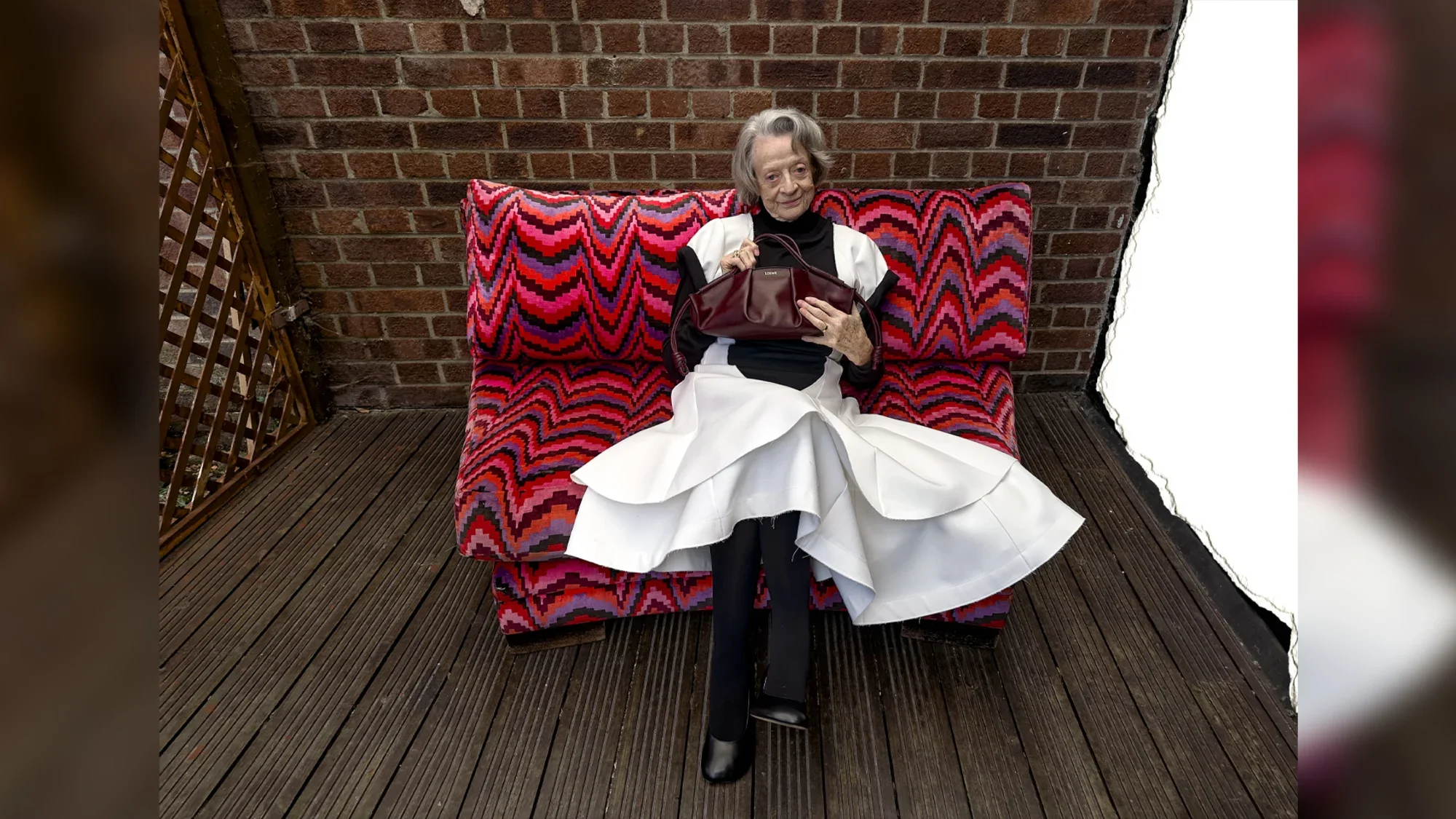
Maggie Smith, 88, appearing in Loewe’s spring/summer 2024 campaign. Image Courtesy of Loewe
What’s next? The future of age in fashion
If fashion wants to stay relevant, it needs to truly value age. This begins with casting, but it also means focusing on education, mentorship, and the images brands choose to show. For designers, marketers, and students, the message is clear: see age not as a risk, but as a way to be more authentic.
Fashion tells stories about who we are and who we can become. The question, therefore, isn't what fashion shows us who we are and who we might become. The real question is not whether time is timeless, it is, but whether the industry will show this in a real way. Which brands will go beyond just symbolic gestures? And what do you, as a consumer, want from them?